

13396532368





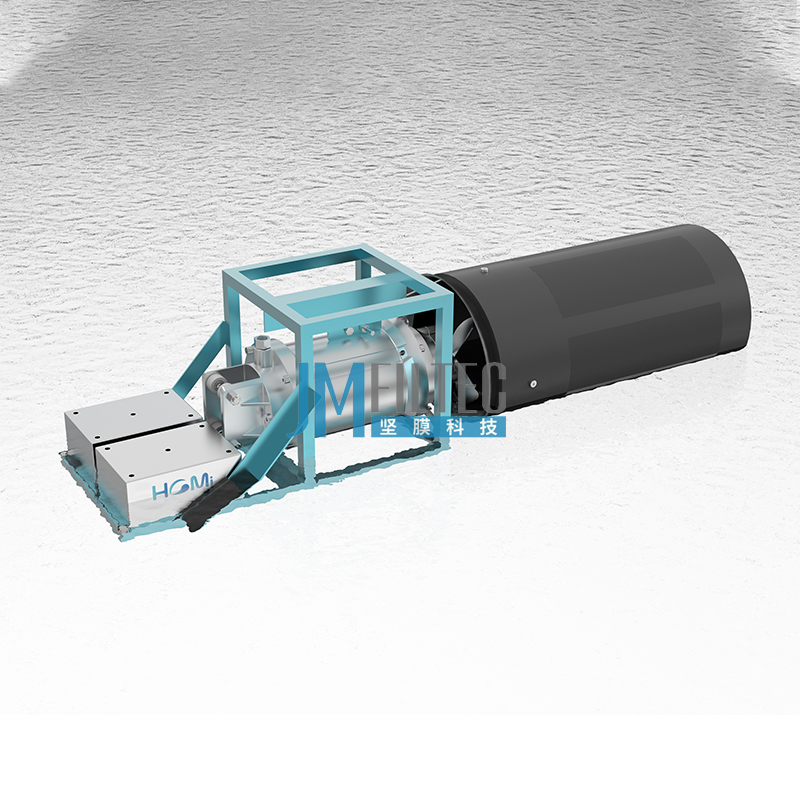
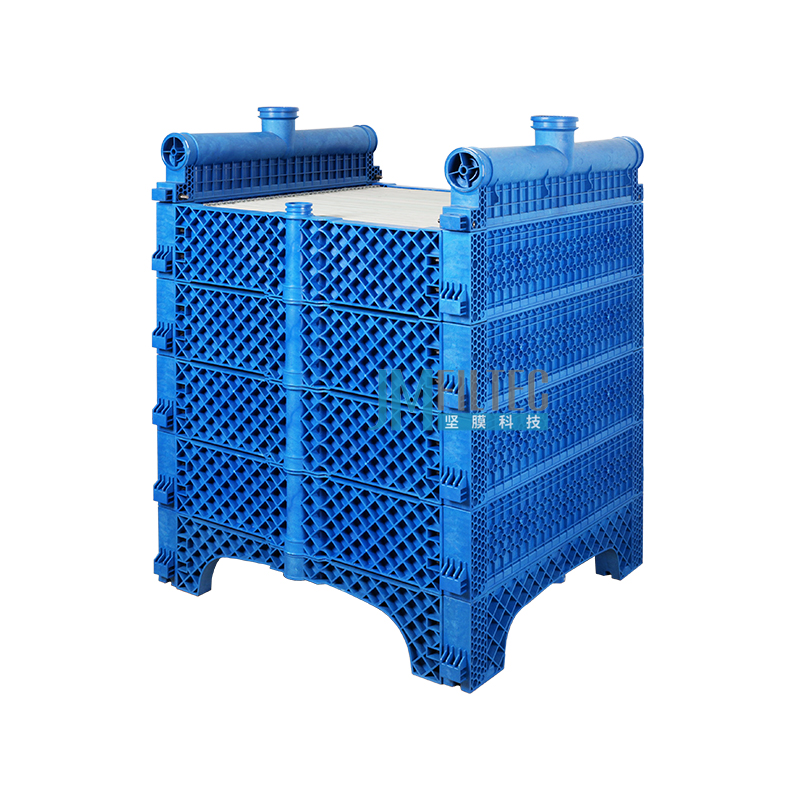
NBG+SiC Ceramic Memebrane=Perfect Partners
The upstream NB generator pre-conditions the water before it ever touches the membrane.
Nanobubbles carry a negative surface charge that prevents them from clumping together while helping them latch onto contaminants, and they can persist in water for days without breaking down — meaning the oxidation and flotation work continues as the water travels toward the membrane, not just at the point of generation.
It dramatically reduces fouling on the ceramic membrane.
Nanobubbles act like natural coagulants, improving separation processes especially in waste streams with high levels of fats, oils, and grease, and accumulate inhibitory materials to shield downstream processes from inefficiency and upsets. By the time the water reaches the ceramic membrane, the heaviest foulants — oil emulsions, organics, biofilm — have already been broken down or floated off.
The residual NBs then self-clean the membrane from the feed side.
Ozone nanobubbles have remarkable mass transfer efficiency, and a sequential cleaning process demonstrates nearly a two-fold enhancement in membrane flux — recovering fouled membranes from 608 L/h/m² up to 1050 L/h/m².
Research has validated the synergistic effect directly.
A study found a synergistic effect when a Venturi-type hydrodynamic cavitation generator was combined with a nanoporous ceramic membrane in treating real wastewater, using a Venturi diameter of 1 mm with an inlet pressure of 7 bar alongside a boehmite sol-coated ceramic nanofiltration membrane. This Venturi + ceramic combination is one of the most practical upstream configurations for produced water at scale.
Aeration efficiency also improves significantly.
A ceramic membrane nanobubble generator has been shown to enhance standard oxygen transfer efficiency from 20% at 10 L/min flow up to 54% at 20 L/min, with higher liquid crossflow velocity increasing the rate of oxygen transfer to the liquid phase.
In short — placing the NB generator upstream turns a two-stage system into a self-reinforcing loop: NBs reduce the membrane's workload, the membrane lasts longer, and residual NBs keep it clean from the inside. It is one of the most promising configurations for produced water in the oil and gas sector right now.