
13396532368





Jianmo Technology | Electroplating Wastewater Treatment Case Study — Silicon Carbide Ceramic Membrane Technology
Zhejiang Jianmo Technology Co., Ltd. | March 20, 2026
JMFILTEC
Electroplating Wastewater Treatment — Case Study
Silicon Carbide Ceramic Membrane Processing Technology
01 | Preface
The electroplating industry is a critical support sector within manufacturing. Wastewater generated during production contains heavy metals, suspended solids, and acidic or alkaline substances, making it one of the most challenging categories of industrial wastewater to treat. As environmental regulations continue to tighten, conventional sedimentation processes frequently exhibit issues such as unstable effluent quality, incomplete suspended solids removal, and complex operation and maintenance — making it difficult to consistently meet long-term discharge standards.
This case study leverages the exceptional separation performance and corrosion resistance of silicon carbide (SiC) ceramic membranes to address the challenge of removing heavy metals and suspended solids from electroplating wastewater. The solution achieves stable, compliant effluent discharge and provides a replicable, scalable technical reference for similar electroplating wastewater treatment projects.
02 | Basic Project Information
|
Water Type |
Electroplating Wastewater |
|
Product |
JMFiltec tubular membrane |
|
Function |
Remove heavy metal suspensions |
|
Requirements |
Accordingly with customer requirements |
|
Solving points |
Sludge leakage from the front-end sedimentation tank, residual suspended solids, and fluctuating heavy metal content in the effluent; traditional processes are cumbersome to operate and maintain. |
03 | Project Background
The electroplating facility's existing wastewater treatment system utilized a conventional two-stage chemical dosing and sedimentation process. While treated effluent heavy metal levels approached compliance thresholds, the secondary sedimentation tanks were prone to sludge carry-over and incomplete solids settling, resulting in intermittent exceedances of effluent turbidity and total heavy metal limits. This placed significant environmental compliance pressure on the company.
To address this, the process was upgraded by installing a Jianmo Technology silicon carbide ceramic membrane system downstream of the secondary sedimentation stage, functioning as a terminal safeguard unit. This unit precisely intercepts residual suspended solids and heavy metal flocs, reinforcing the compliance barrier and ensuring round-the-clock stable discharge while mitigating environmental risk.
04 | Process Flow Description
This project employs a combined approach of front-end physicochemical reaction sedimentation + silicon carbide ceramic membrane filtration to remove heavy metal contaminants from wastewater.
- Stage 1: Electroplating wastewater first undergoes front-end physicochemical chemical dosing and sedimentation to remove the majority of heavy metals and reduce the overall pollutant load. The clarified supernatant then enters the ceramic membrane system.
- Stage 2: The wastewater is pressurized and fed into the silicon carbide tubular membrane modules, where nanoscale pores intercept residual suspended solids and heavy metal flocs. The produced permeate either meets discharge standards directly or is recycled for reuse.
- Stage 3: Membrane concentrate and backwash effluent are returned to the front-end sedimentation system, reprocessed, and re-fed into the membrane filtration unit — forming a closed-loop operation that maximizes wastewater recovery.
In this process, the Jianmo Technology silicon carbide ceramic membrane serves as the core assurance component. Even in the event of sludge carry-over from the sedimentation tanks, the system maintains stable permeate recovery rates and consistently compliant effluent quality.
05 | Process Advantages
1. High Separation Precision, Superior Effluent Quality
Nanoscale separation pore sizes deliver separation accuracy far exceeding that of conventional filtration processes. The membrane achieves high rejection rates for suspended solids and heavy metal flocs, producing effluent with low turbidity and TSS values that fully meets electroplating wastewater discharge requirements.
2. Strong Anti-Fouling Performance, Convenient Maintenanc
Composed of pure silicon carbide material, the membrane exhibits excellent hydrophilicity, acid and alkali resistance, and strong anti-fouling capability. It is well-suited to the complex water quality characteristics of electroplating wastewater, remains unaffected by influent fluctuations or sedimentation sludge carry-over, requires no frequent parameter adjustments, and allows easy membrane module cleaning and recovery — simplifying day-to-day operation and maintenance.
3. Streamlined Process, Compact Footprint
The system can replace traditional multi-stage filtration units, eliminating redundant process steps and shortening the overall treatment chain. With high equipment integration and a small footprint, it enables rapid retrofitting with fast, visible results.
4. Long Service Life, Outstanding Lifecycle Cost-Effectiveness
Silicon carbide ceramic membranes offer high mechanical strength, excellent corrosion resistance, and a long operational lifespan, enabling sustained stable performance. Their strong anti-fouling properties reduce cleaning frequency and chemical consumption, resulting in lower lifecycle operation and maintenance costs and a highly competitive total cost of ownership.
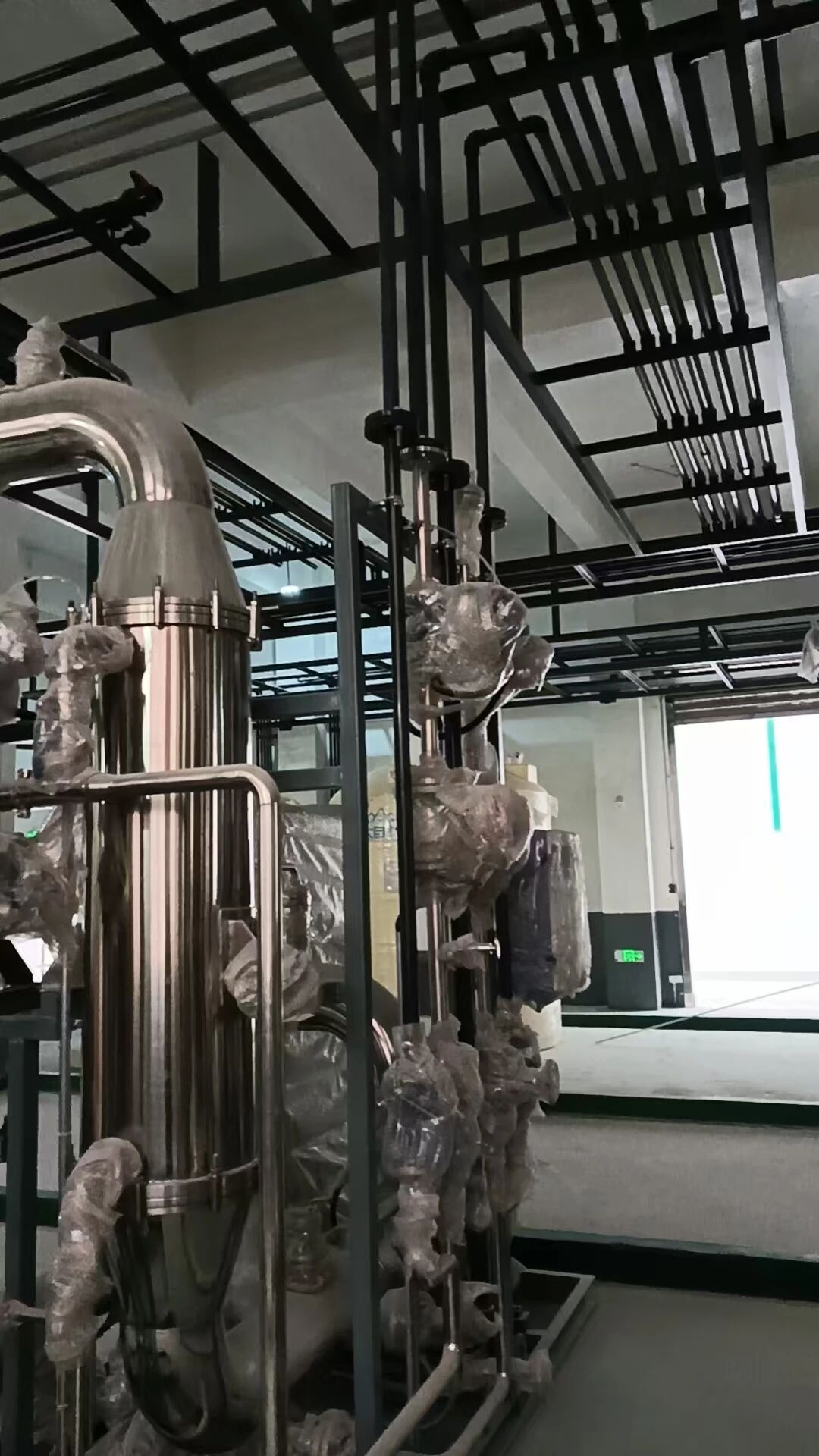
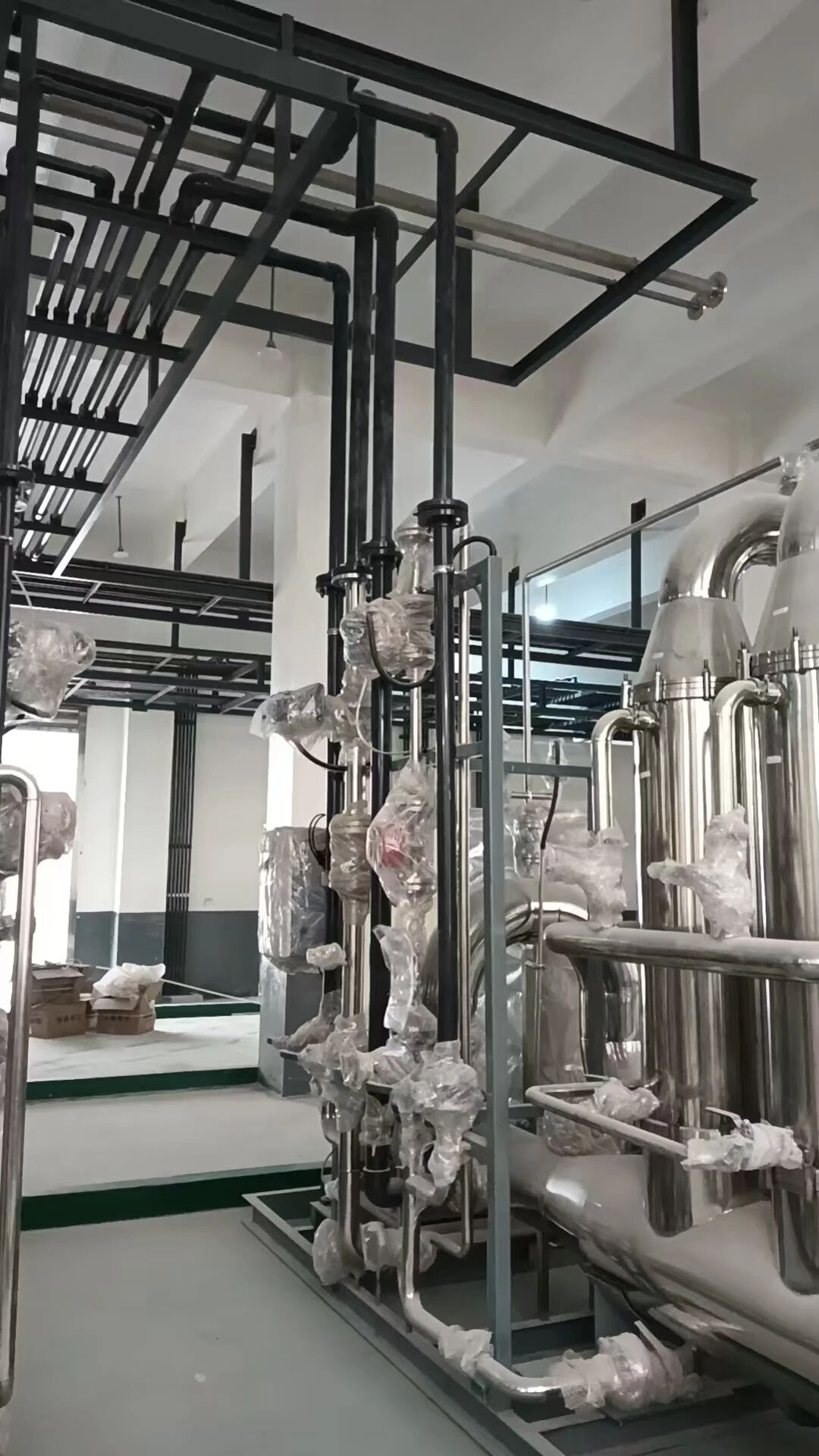
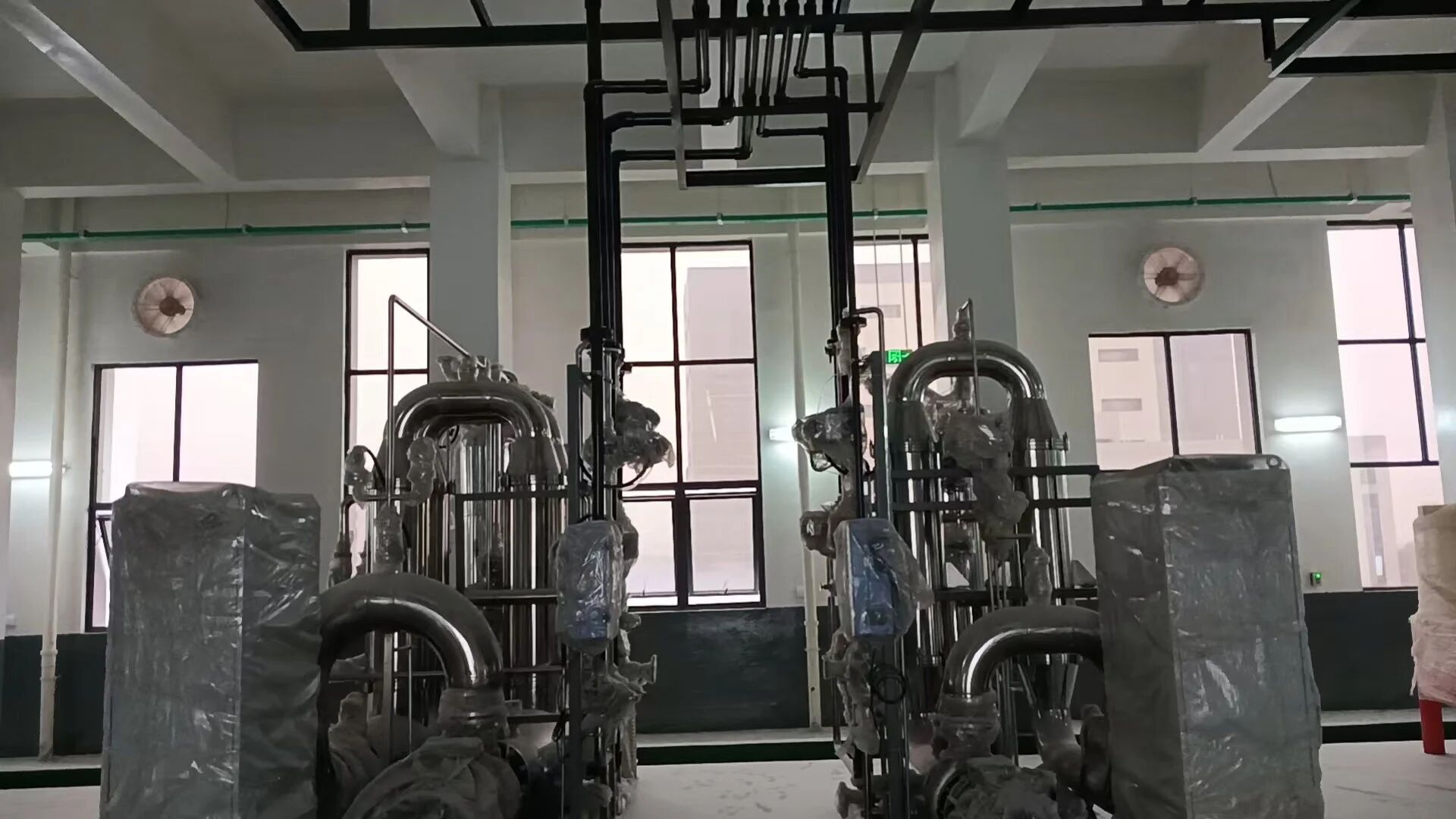
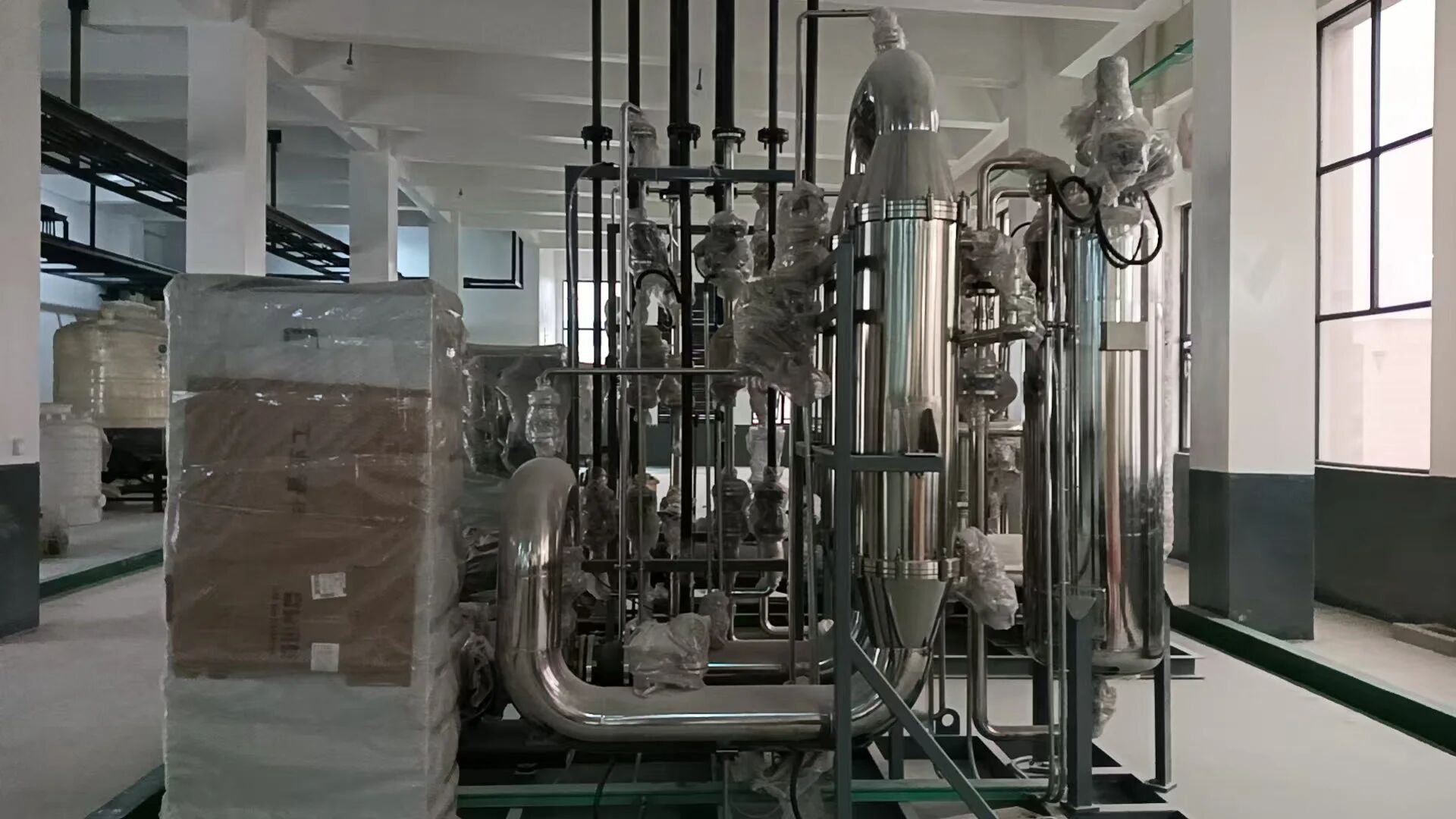
06 | Site Pictures