

13396532368





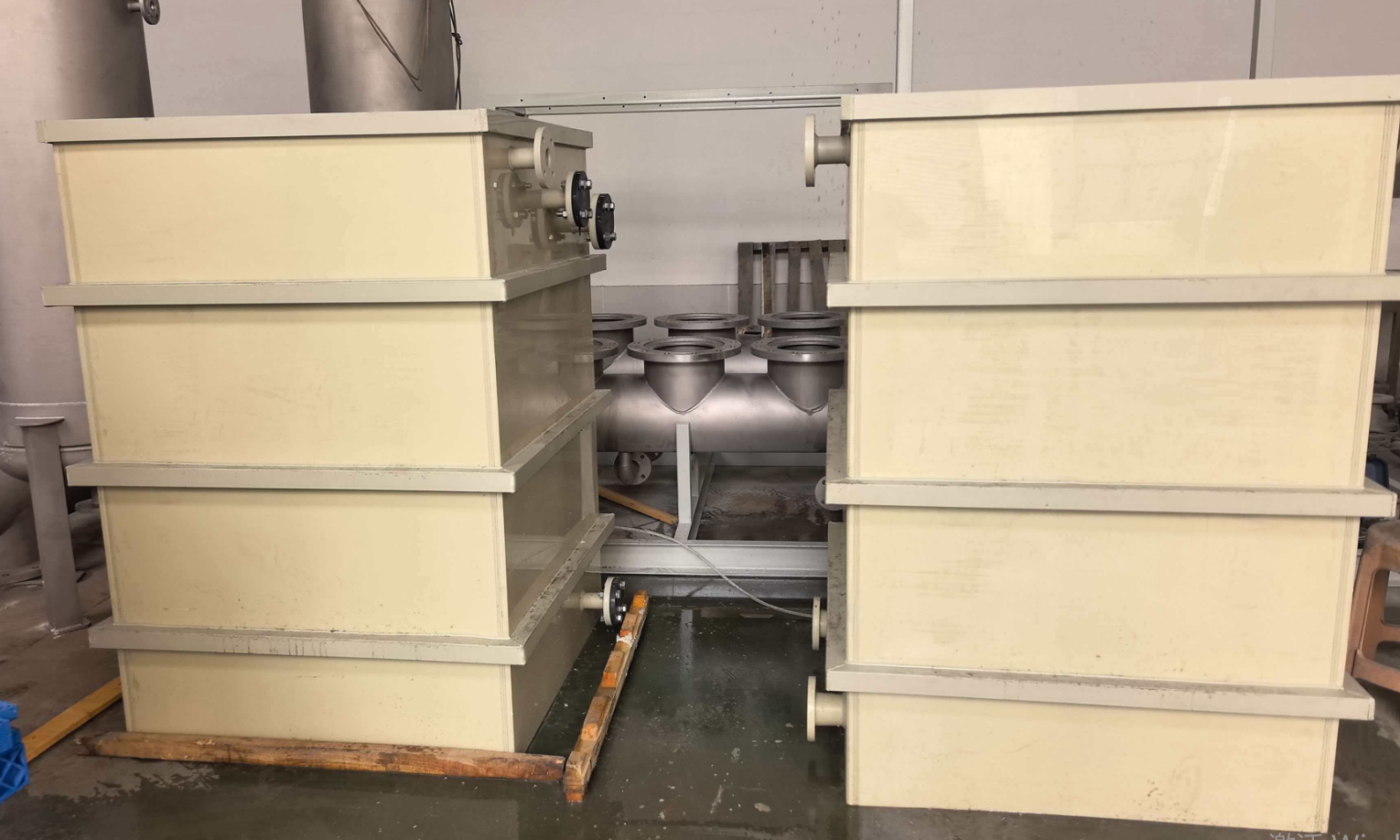
Recently we JMF finished an order from Australia. We provide flat sheet module for their relative low solid water, we design the pool with PPH material, we do the assembly for them, and all the got is a completed tower with pool, what they need to do is to connect the ports with their pipes.
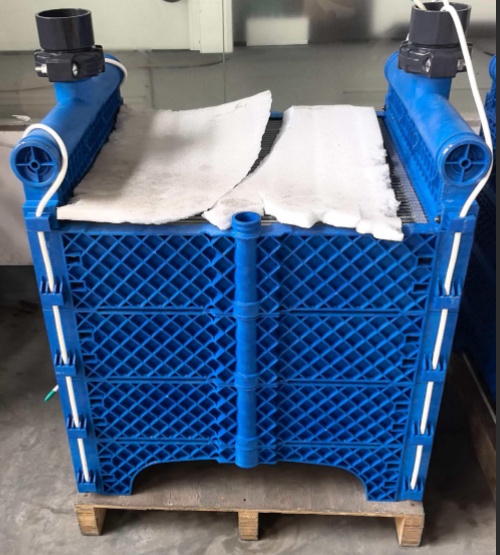
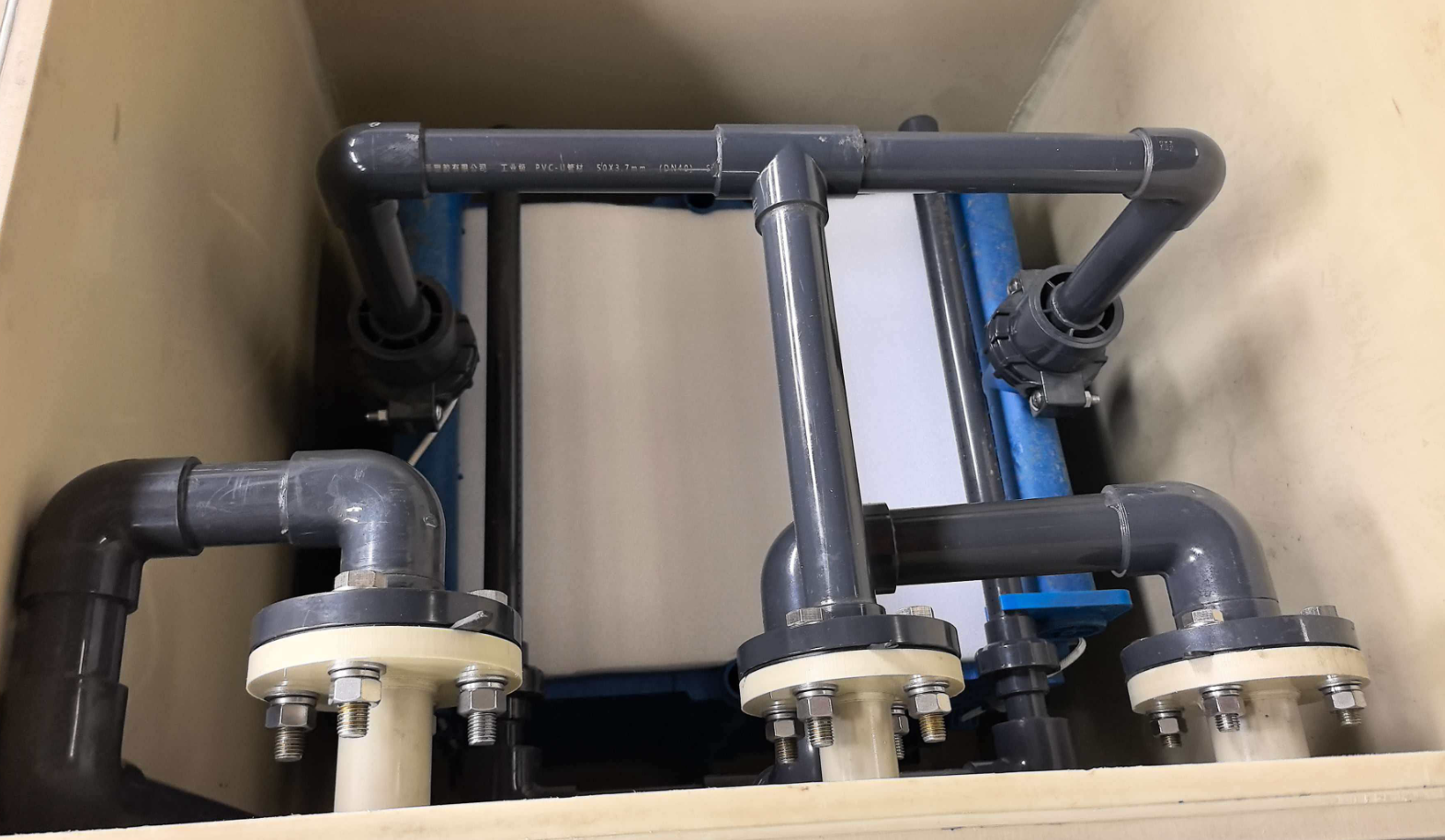
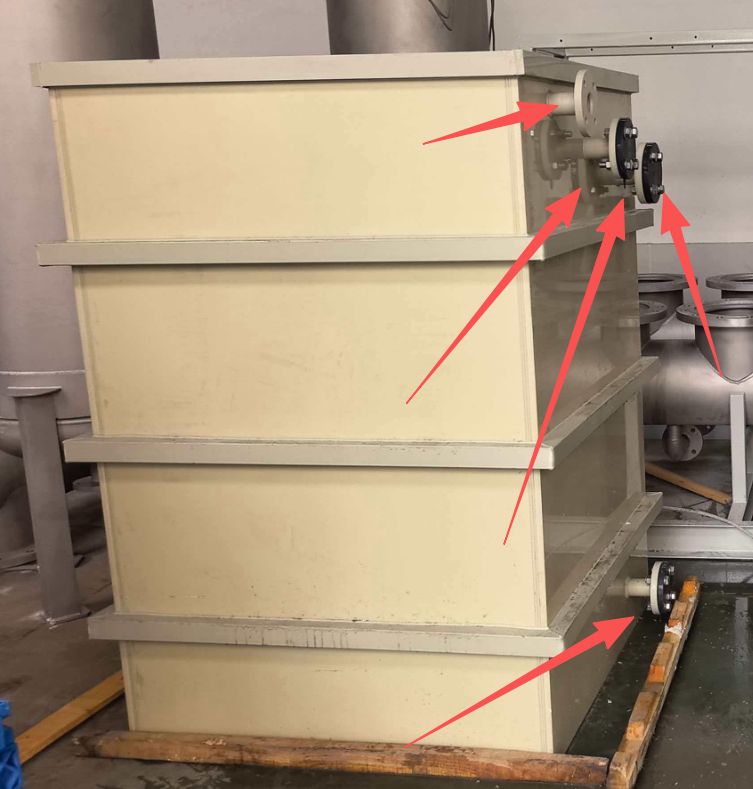
And we also provided tubular membrane with PPH vessel like below, we supply with design and installation directions. This module can be used on critical water condition.
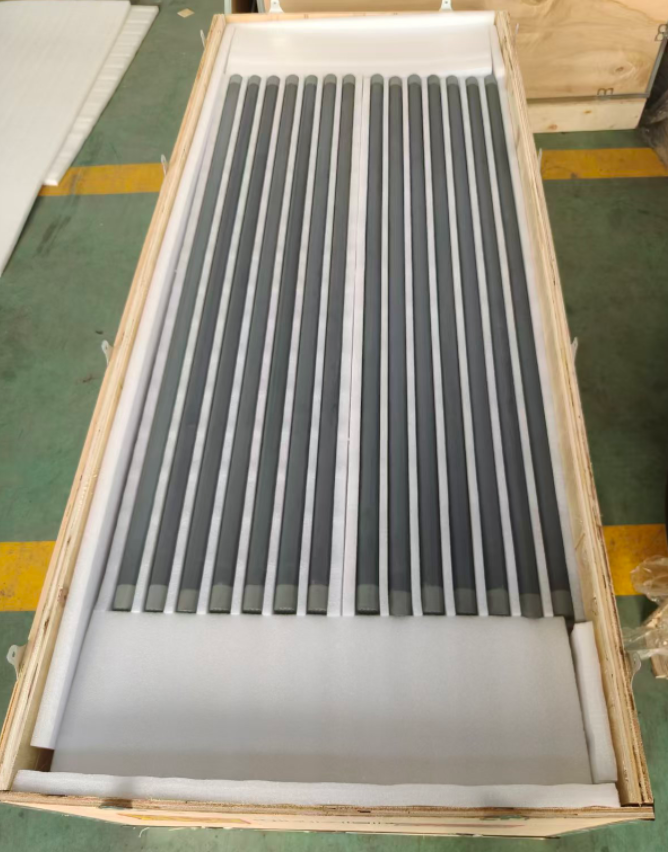
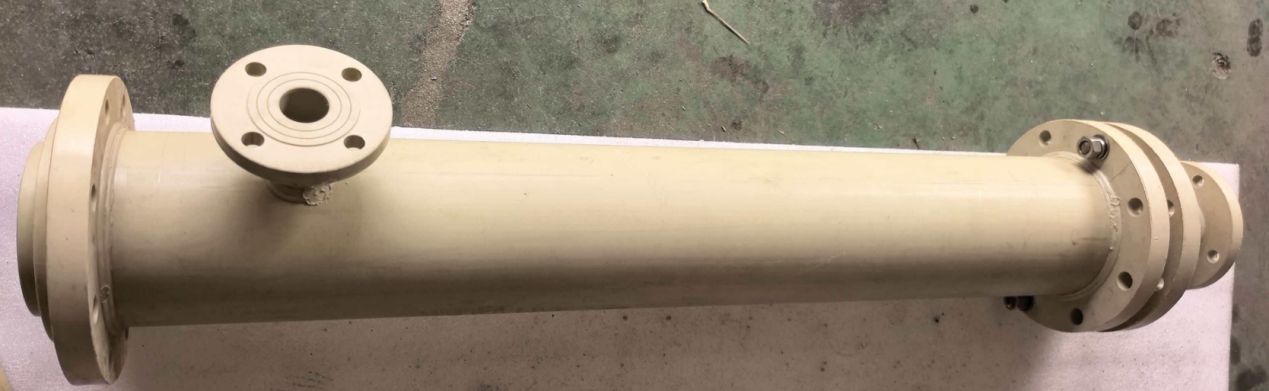
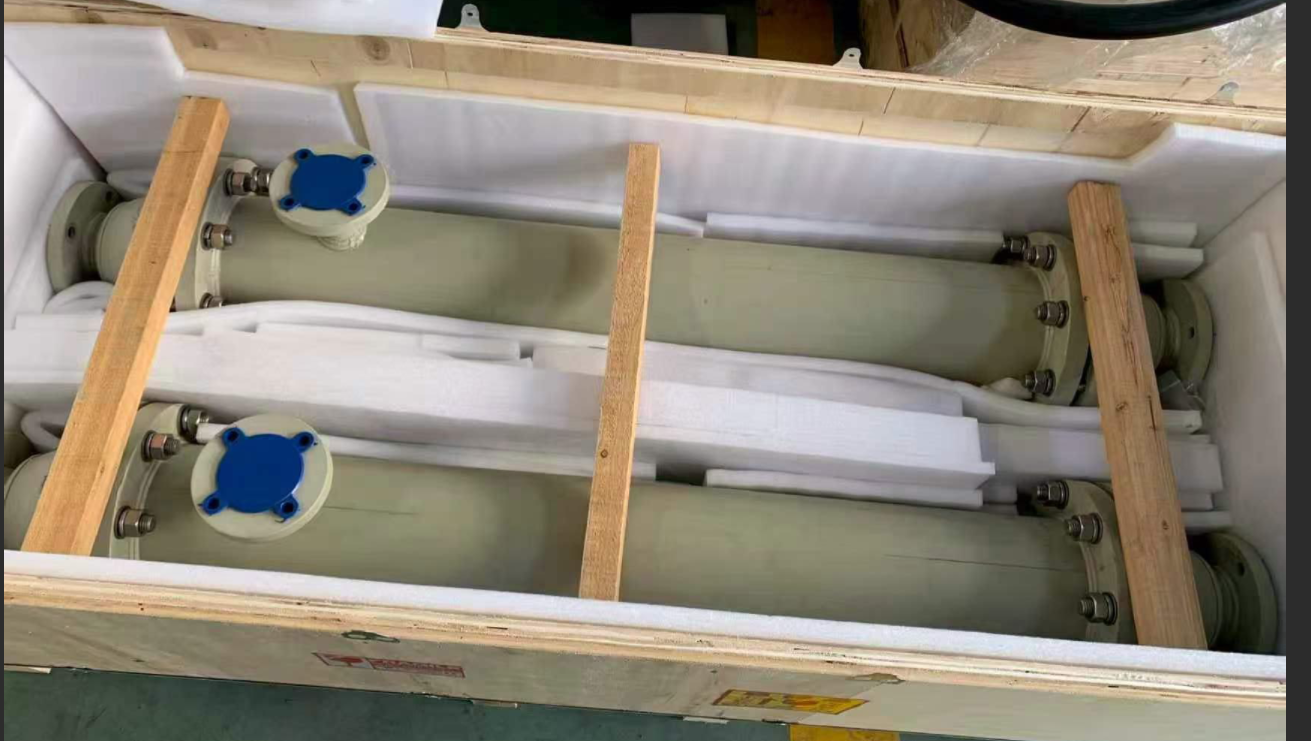
We save design, packing, and shipping cost for our customer, especially the pool design and production in China has a huge cost advantages. We look forward to other customers order from us for the pool and membranes. We are a good supplier for your profit on your project.
SIC Membranes in Industrial Filtration: Tailored Solutions for High and Low Solids Applications
Silicon carbide (SIC) ceramic membranes have emerged as a benchmark material in membrane filtration, and their most compelling strength lies in their versatility across vastly different process conditions. In high-solids environments — such as those encountered in tubular module configurations — SIC membranes excel where polymeric alternatives consistently fail. The open-channel geometry of tubular modules, combined with the inherent hardness and chemical inertness of silicon carbide, allows the system to handle feeds with elevated suspended solids concentrations without the rapid fouling and flux decline typically associated with conventional materials. When paired with a polypropylene homopolymer (PPH) pressure vessel, the assembly is further reinforced against aggressive chemical cleaning cycles, enabling operators to restore membrane performance using high-pH caustic washes or oxidative agents that would degrade softer membrane materials. This combination makes the tubular SIC module with PPH vessel the system of choice for demanding streams in industries such as mining, food processing, and industrial wastewater where solids loading is a primary design constraint.
At the other end of the spectrum, flat sheet SIC membrane modules demonstrate equally impressive performance in lower-solids applications, where the priority shifts from solids handling to sustained flux and permeate quality. The flat sheet geometry maximizes active membrane area within a compact footprint, and silicon carbide's hydrophilic surface chemistry — with its naturally low contact angle — promotes high water permeability and resistance to organic fouling, even at moderate solids concentrations. When housed in a PPH tank, the flat sheet system benefits from the chemical compatibility and structural stability of the vessel material, allowing flexible operation across a broad pH range and temperature spectrum. This makes the configuration particularly well-suited for applications such as tertiary municipal water treatment, membrane bioreactors with controlled mixed liquor suspended solids (MLSS), and industrial polishing stages where feed quality is more consistent but permeate purity standards are stringent.
The recent delivery to Australia — comprising both a flat sheet module tower with a PPH tank and a tubular module system with a PPH vessel — reflects a deliberate, application-matched approach to membrane system design. Rather than applying a one-size-fits-all solution, the configuration acknowledges that the optimal module geometry is dictated by the nature of the feed stream, while SIC remains the constant material of choice across both duty types due to its exceptional durability, longevity, and cleanability. This dual-system delivery demonstrates the breadth of SIC membrane technology: robust enough to sustain performance in aggressive, high-solids tubular duty, and refined enough to deliver consistent, high-quality permeate in the more controlled flat sheet application. Together, they underscore why silicon carbide has become the preferred membrane material for operators who demand long service life, minimal downtime, and adaptability across the full range of industrial filtration challenges.