
18072885002





Introduction
As an important supporting industry for manufacturing, the electroplating industry generates wastewater containing heavy metals, suspended solids, and acidic and alkaline substances, which is difficult to treat. Under increasingly stringent environmental regulations, traditional sedimentation processes often suffer from problems such as fluctuating effluent, incomplete removal of suspended solids, and complex operation and maintenance, making it difficult to meet long-term stable compliance requirements.
This case study leverages the superior separation performance and corrosion resistance of silicon carbide ceramic membranes to address the challenges of removing heavy metals and suspended solids from electroplating wastewater, achieving stable and compliant wastewater treatment. It provides a replicable and scalable technical reference for similar electroplating wastewater treatment projects.
Project Basic Information
|
Wastewater type |
Electroplating wastewater (including wastewater containing suspended heavy metals) |
|
Application Products |
Jianmo Technology - Silicon Carbide Tubular Membrane |
|
Application type |
Removal of heavy metal suspensions |
|
Processing requirements |
The effluent water quality is stable and meets the standards. |
|
The core problem to be solved |
Sludge runoff from front-end sedimentation tanks, residual suspended solids, fluctuations in heavy metal levels in effluent, and cumbersome operation and maintenance of traditional processes. |
Project Background Introduction
The electroplating company's original wastewater treatment system was a conventional two-stage reaction sedimentation process with chemical dosing. While the treated wastewater levels were close to meeting standards, the secondary sedimentation tank was prone to sludge runoff and incomplete settling of suspended solids, leading to intermittent exceedances in effluent turbidity and total heavy metals, placing significant environmental pressure on the company. To address this, the project optimized the process by adding a silicon carbide ceramic membrane system from Jianmo Technology downstream of the secondary sedimentation tank as a final-line protection unit. This system precisely intercepts residual suspended solids and heavy metal flocs, strengthening the compliance defense line and ensuring stable compliance of wastewater around the clock, thus mitigating environmental risks.

Process Flow Description
The project is designed to remove heavy metal pollutants from wastewater using a combination of "front-end physicochemical reaction precipitation + silicon carbide ceramic membrane filtration".
- Electroplating wastewater first undergoes front-end physicochemical precipitation treatment to remove most of the heavy metals and reduce the pollution load, and the supernatant enters the ceramic membrane system;
- Wastewater enters a silicon carbide tubular membrane via a booster pump, where the nanoscale pore size traps residual suspended solids and heavy metal flocs, and the produced water is discharged directly in compliance with standards or reused.
- The concentrate and backwash wastewater from the membrane system are returned to the front-end sedimentation system for reprocessing before entering the membrane filtration system, thus achieving closed-loop operation and improving the wastewater recovery rate.
In this process, the silicon carbide ceramic membrane from Jianmo Technology plays a core role in ensuring stable effluent recovery rate and consistent effluent quality even when sludge is flowing out of the sedimentation tank.
Analysis of process advantages
1. High separation precision and excellent effluent quality: The nano-sized separation pore size has a separation precision far exceeding that of traditional filtration processes. It has a high rejection rate for suspended solids and heavy metal flocs, and the effluent turbidity and TSS meet the standards and the water quality is clear, which can meet the discharge requirements of electroplating wastewater.
2. Strong anti-fouling performance and convenient operation and maintenance: Pure silicon carbide material has good hydrophilicity, acid and alkali resistance, and strong anti-fouling ability. It is suitable for complex water quality of electroplating wastewater, is not affected by influent fluctuations or sedimentation tank sludge runoff, does not require frequent parameter adjustment, membrane modules are easy to clean and restore, and daily operation and maintenance are simple and convenient.
3. The process is streamlined and occupies a small area: it can replace traditional multi-stage filtration units, eliminate redundant links, shorten the process chain, have high equipment integration, occupy a small area, and have a short transformation cycle and quick results.
4. Long-lasting and durable with high cost-effectiveness throughout the entire life cycle: Silicon carbide ceramic membranes have high mechanical strength, strong corrosion resistance, and long service life. They can operate stably for a long time, and have strong anti-fouling properties. They require less cleaning frequency and less chemical dosage, resulting in lower maintenance costs throughout the entire life cycle and outstanding cost-effectiveness.
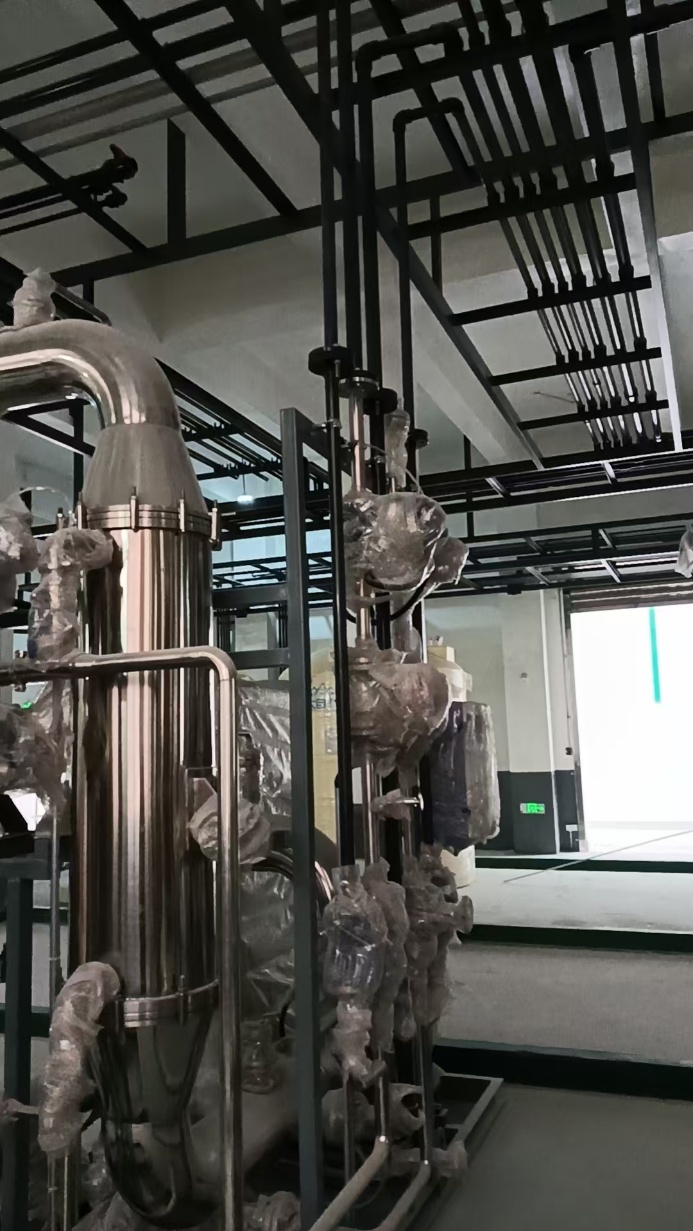
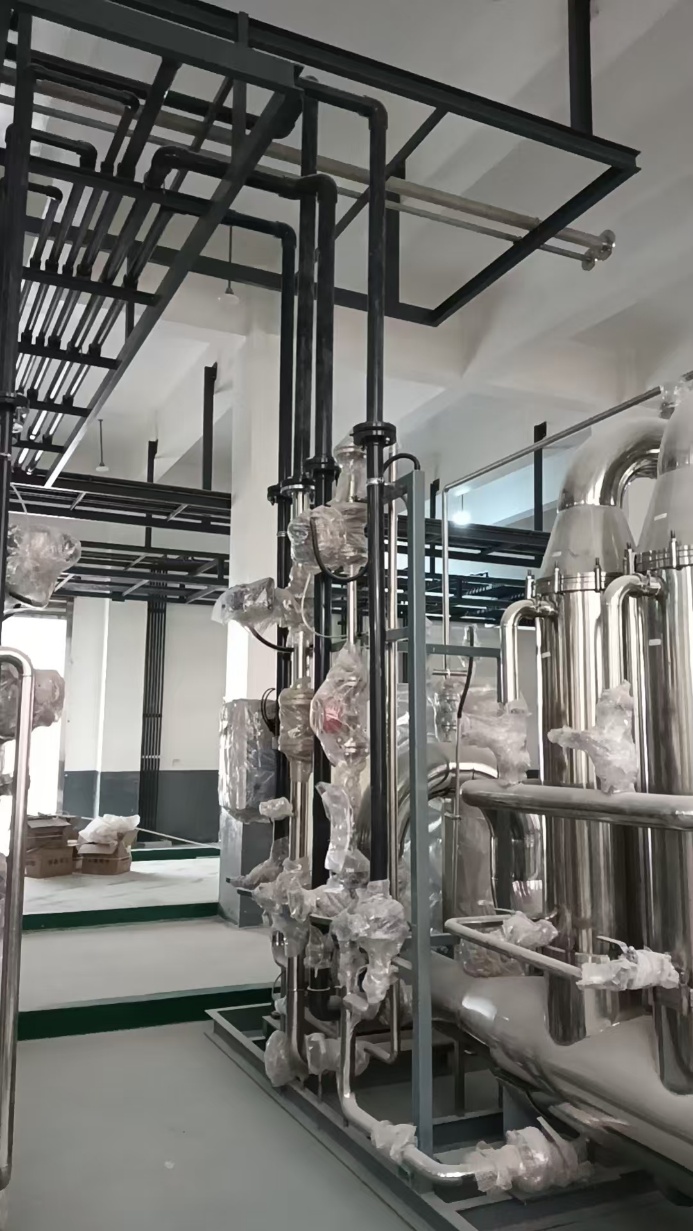
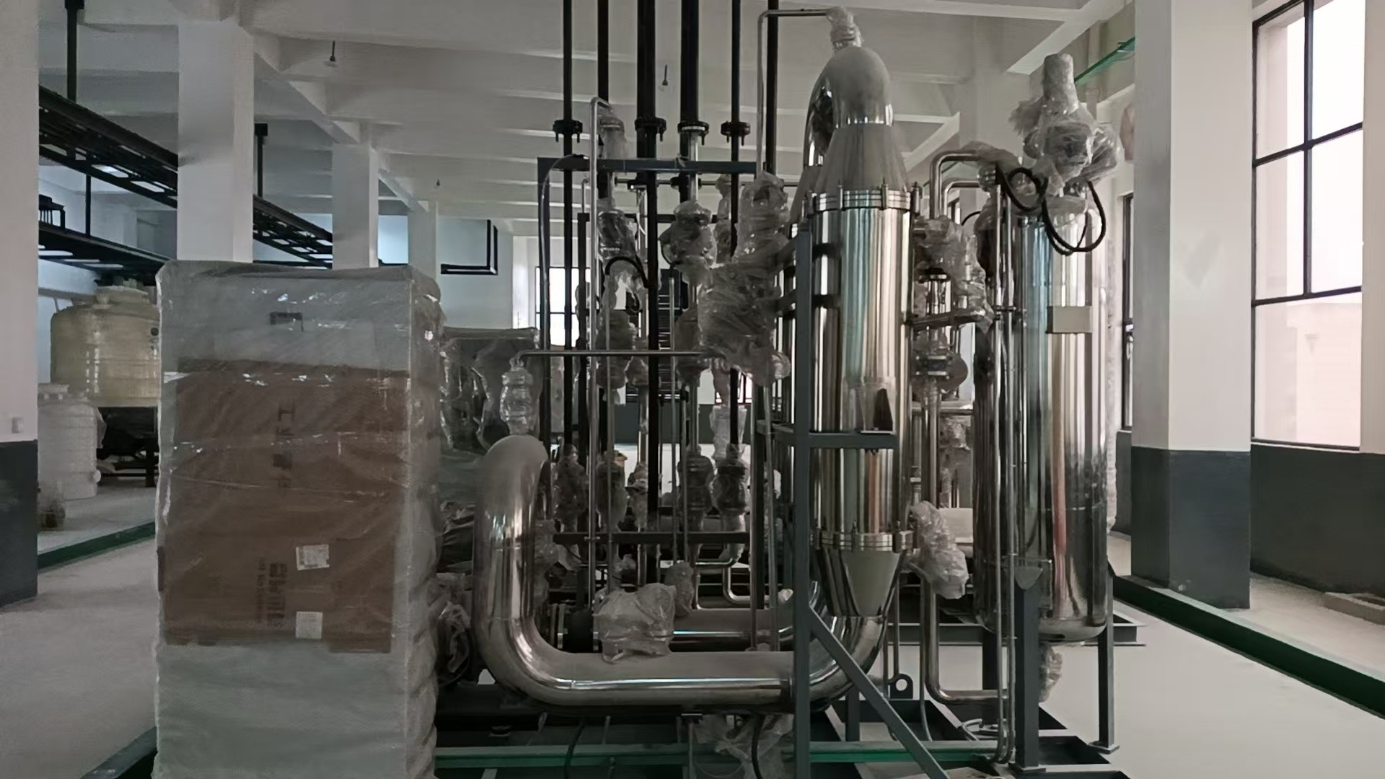
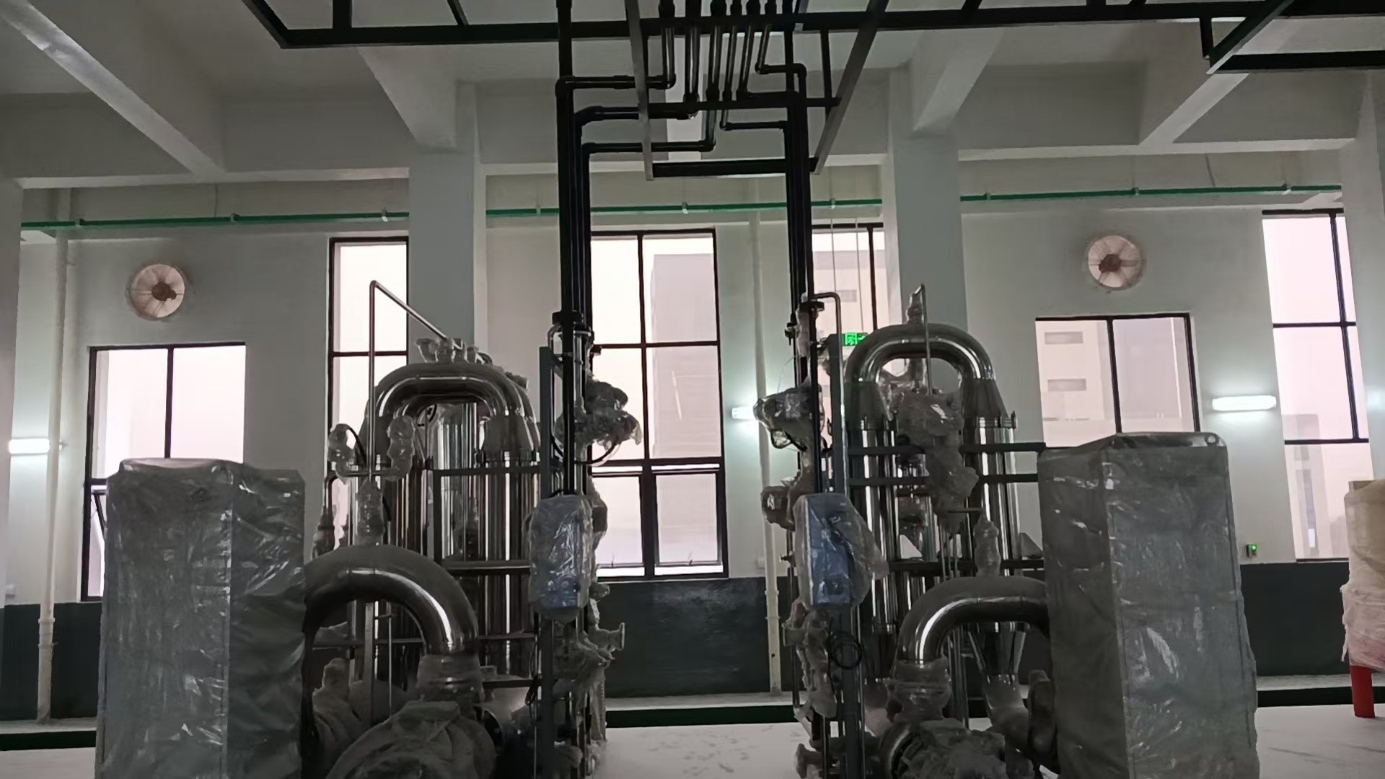
On-site Photos