

13396532368






Introduction
Recently, the first phase of the South-to-North Water Diversion Project's eastern and central routes has transferred over 90 billion cubic meters of water, benefiting nearly 200 million people along the route. The overall water quality along the main waterway remains stable and excellent. However, after long-distance transportation and storage in reservoirs, seasonal water quality fluctuations still occur, such as high algae blooms in summer, sudden increases in turbidity during the flood season, and low turbidity at low temperatures, posing a real challenge to the treatment resilience of water treatment plants along the route.

large-scale waterworks, based on a practical project of a water plant in Shijiazhuang (which uses water from the South-to-North Water Diversion Project as its water source).
Benchmark Project Practice: Upgrading and Renovation of a Water Plant in Shijiazhuang
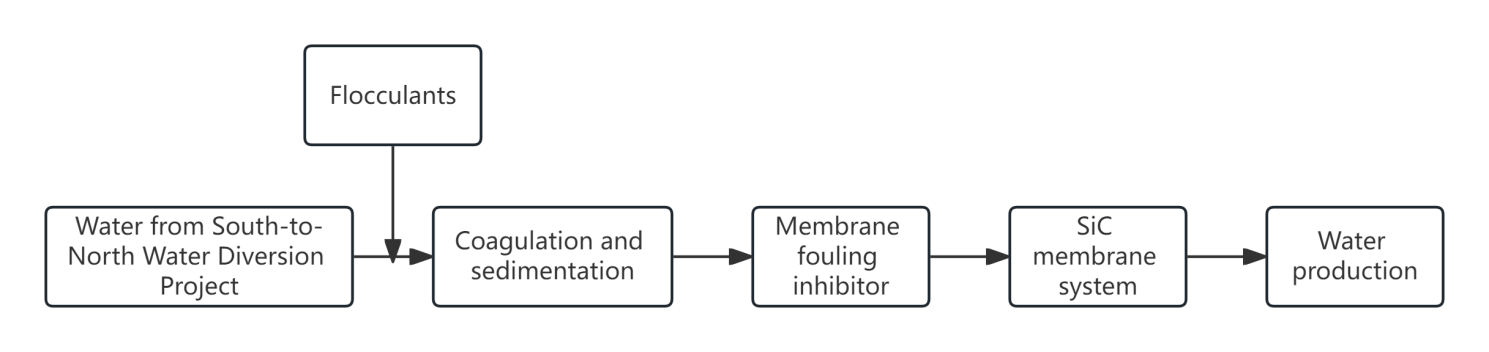
A drinking water plant in Shijiazhuang is a crucial water supply point for the area. Its raw water is drawn from the South-to-North Water Diversion Project, and while the source water quality is excellent, its operating conditions fluctuate significantly due to the influence of the reservoir environment: in summer, algae proliferate in the reservoir, leading to a significant increase in algal cells and extracellular organic matter; during the flood season, inflows bring sediment, causing a periodic increase in raw water turbidity; and in winter and spring, it faces low temperatures and low turbidity, reducing the efficiency of traditional coagulation processes and rendering the existing treatment system insufficient to withstand fluctuations. To improve water supply safety and redundancy, the water plant underwent an upgrade, introducing a silicon carbide ceramic membrane ultrafiltration unit as its core advanced treatment unit.
● Water source: South-to-North Water Diversion Project
● Scale: 30,000 m³/d silicon carbide ceramic membrane ultrafiltration unit
● Process route:
● Core advantages of silicon carbide ceramic membranes for municipal water supply:
|
Core advantages |
Specific manifestations |
|
The effluent has excellent water quality and a high level of microbial safety. |
The produced water meets direct drinking water standards, and some indicators even surpass European and American water quality standards; turbidity <0.2 NTU, 100% bacteria removal, and Giardia and Cryptosporidium removal rates reach 6 log, ensuring safe drinking water for microorganisms. |
|
Sintered at 2400℃ for an ultra-long service life |
Made of recrystallized and sintered silicon carbide, it has a service life of over 20 years under municipal drinking water conditions, significantly reducing the cost of consumable replacement. |
|
Integrated design, small footprint and fast construction |
The process is compact, the equipment is standardized and skid-mounted, the footprint is small, the on-site construction period is short, and it is suitable for the renovation of old water plants. |
|
It has strong resistance to shock loads and can adapt to drastic fluctuations in water quality. |
Even when faced with sudden changes in raw water conditions due to flood season and heavy rain, the outflow remains stable, adapting to water diversion and seasonal fluctuations in reservoir water sources. |
|
Intelligent automation simplifies operation and maintenance management |
Equipped with an intelligent management and control platform, it enables precise dosing of pesticides and intelligent equipment scheduling; it has a high degree of automation and requires low professional skills from operators. |
|
Inorganic safe material, pollution resistant and easily recyclable |
Native hydrophilic anti-algae and anti-fouling agent, resistant to acid, alkali and oxidizing agents, with a cleaning flux recovery rate of >95%; high-flux operation, no PFAS or microplastic leaching, avoiding the risk of secondary pollution. |
● Photos from the scene:
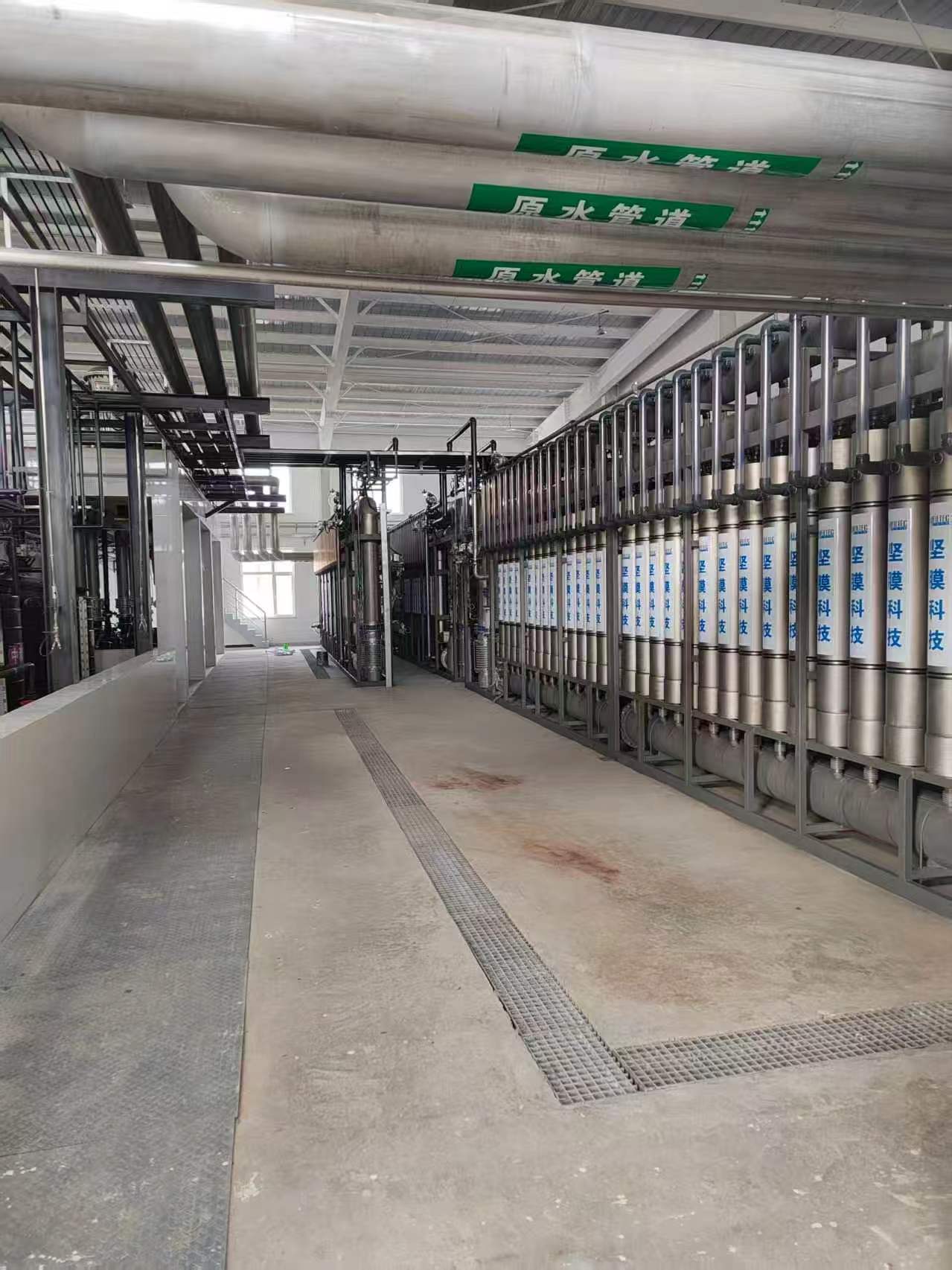
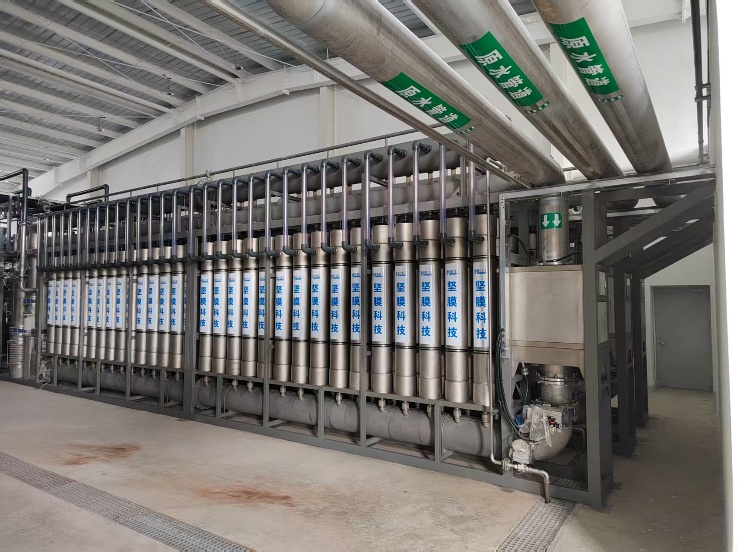
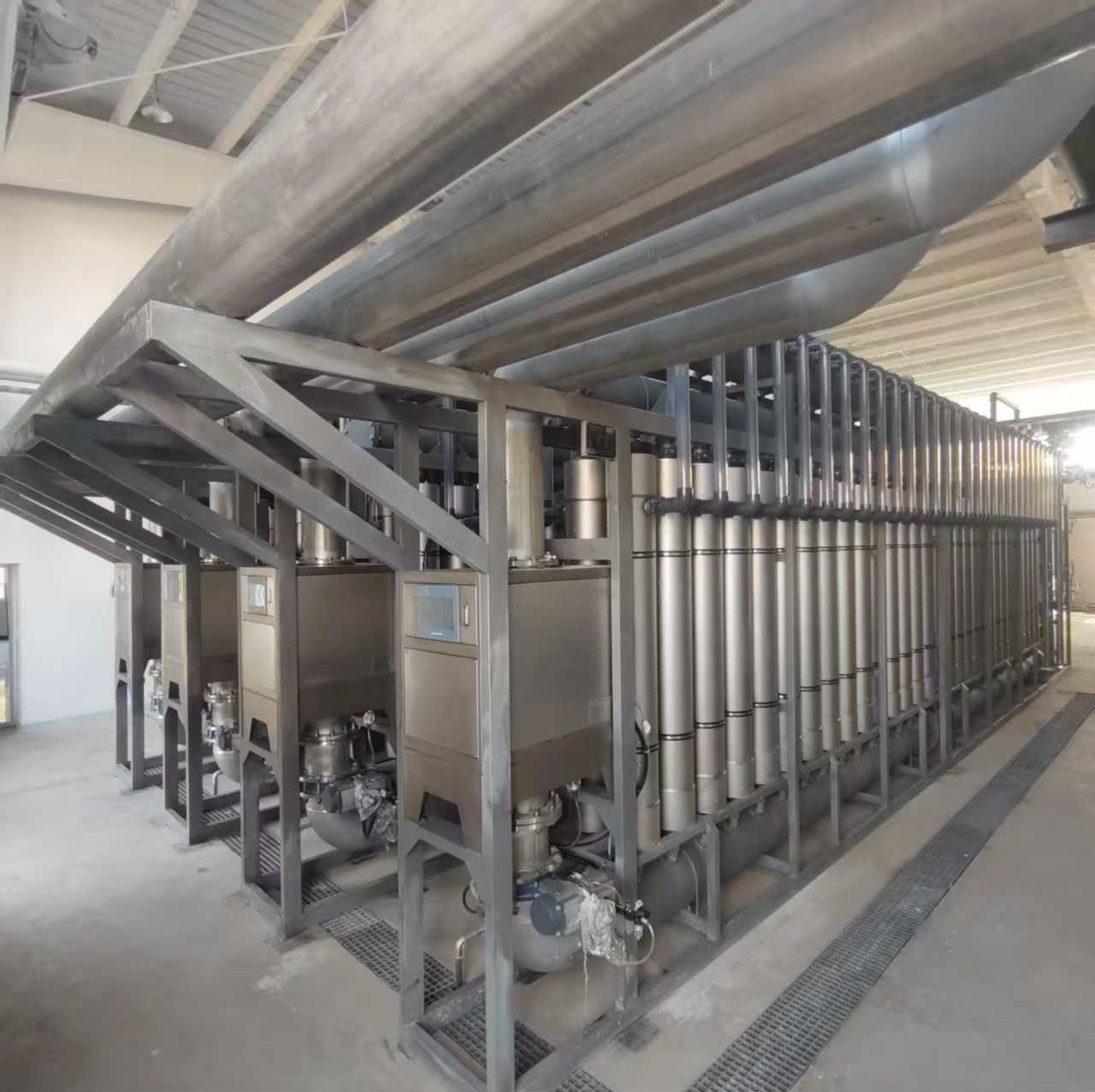
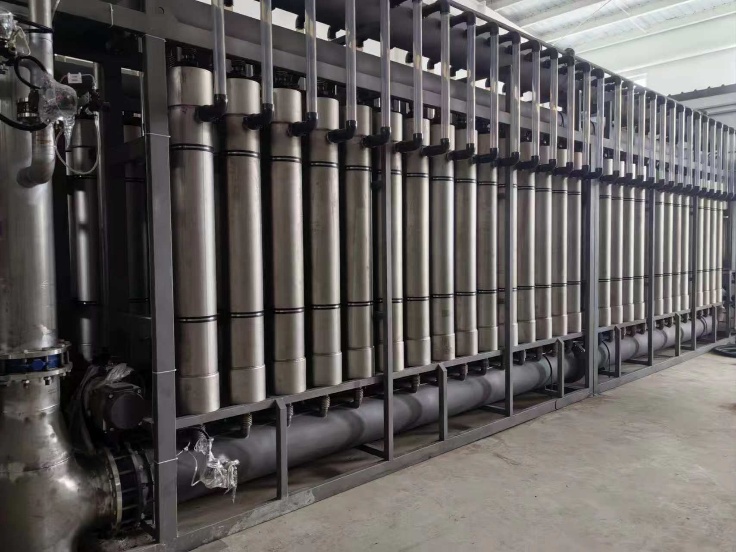
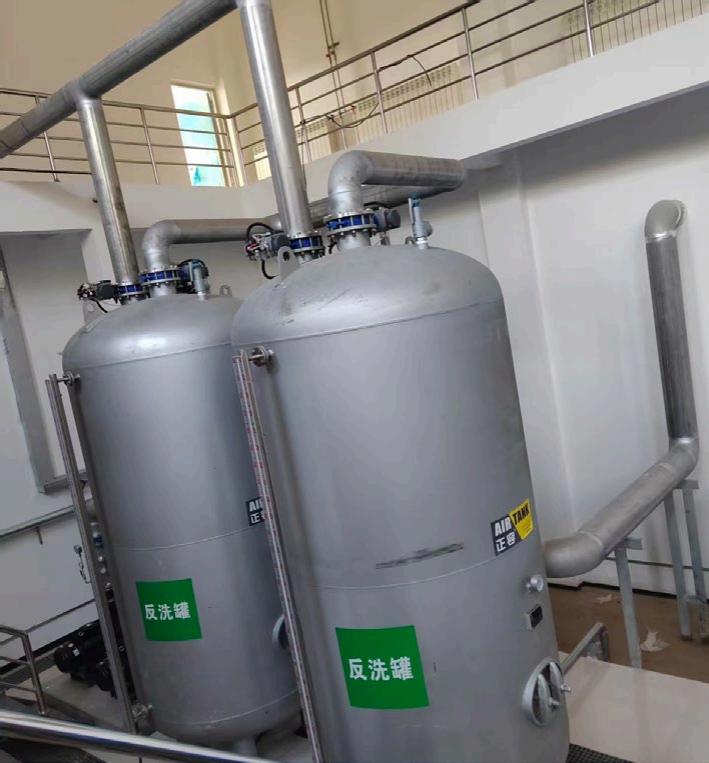
Our silicon carbide ceramic membrane products possess NSF/ANSI 42 international certification and domestic drinking water hygiene permits, having passed dual safety testing both domestically and internationally. They are also equipped with ISO triple-system and five-star after-sales certifications, meeting the compliance requirements of both domestic municipal and international projects. In addition to large-scale municipal water plants, silicon carbide ceramic membranes are also suitable for centralized water supply in rural towns. Currently, the total installed capacity in the tap water industry exceeds 70,000 m³/d, effectively intercepting pathogens, humic acid, disinfection byproduct precursors, and other pollutants in water bodies.
Conclusion
Water Diversion Project requires not only the successful diversion of water but also its effective treatment. While the overall water quality along the main channel is excellent, water plants along the route need to enhance their technological resilience to cope with seasonal water quality disturbances. A water plant in Shijiazhuang has demonstrated that silicon carbide ceramic membranes, with their comprehensive advantages including high-quality effluent, long lifespan, compact footprint, shock resistance, convenient operation and maintenance, and material safety, coupled with NSF compliance and water-related permits, provide a domestically produced, long-term solution for water plants supplying the diverted water source.
1. For inquiries about silicon carbide ceramic membrane process solutions, please send a private message. We support pilot testing of raw water, technical exchanges, and sharing of qualification documents.
2. Colleagues are welcome to leave comments and share their experiences in dealing with high algae levels and water quality fluctuations.
3. Our company is constantly recruiting talent; industry professionals are welcome to inquire and apply.