

13396532368





At the beginning of 2026, France officially became the first country in the EU to completely ban PFAS (per- and polyfluoroalkyl substances). Almost simultaneously, the US Food and Drug Administration released a report stating that "the safety of most PFAS in 1,744 cosmetic formulations cannot be confirmed" (data source: E20 Water Research Center). The combination of bans and concerns has not only triggered a chain reaction in the consumer sector but also brought unprecedented challenges to the water supply industry. Faced with this global regulatory trend, how should my country's water supply industry plan ahead and respond to the challenges?

(Image from the internet)
Why Have PFAS Become a Global Regulatory Focus?
PFAS have garnered significant attention from global regulatory bodies due to the profound harm caused by their three main characteristics, making them truly "permanent chemicals": First, they possess extremely high chemical stability and are difficult to degrade—the strong structure of carbon-fluorine bonds makes them virtually impossible to break down in the natural environment, allowing them to persist in water and soil for decades or even longer. They can also accumulate through the food chain, spreading from polluted water sources to crops and aquatic organisms, ultimately entering the human body. Second, they exhibit strong bioaccumulation; once ingested through drinking water, food, or air, they gradually accumulate in tissues such as the liver, kidneys, and blood, with an extremely slow metabolic rate. Even after exposure ceases, they may remain in the body for years, creating a "long-term latent" health hazard.
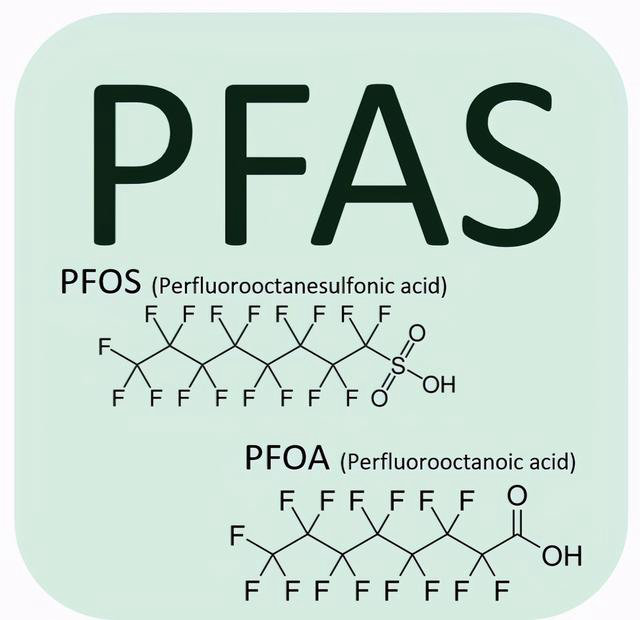
(PFOS/PFOA structural formula - image source: internet)
Previously, PFOS and PFOA, two typical PFAS substances, were already included in the Stockholm Convention's control list, and global requirements for source restrictions, emission controls, and end-of-pipe remediation have been continuously tightening. France's comprehensive ban marks a new stage in PFAS control, moving from "single substances" to "all types of substances," and from "local areas" to "global scope." The pressure on my country's water supply industry is self-evident.
JMFILTEC's Silicon Carbide Ceramic Membrane Technology Creates High-Efficiency Solutions
Among currently common PFAS removal technologies, the synergistic process of "powdered carbon adsorption + membrane separation" can efficiently remove PFAS from drinking water. JMFILTEC's silicon carbide ceramic membrane technology has gained international market recognition for its superior performance in purifying emerging pollutants such as PFAS/PFOS. It was successfully applied in a renovation project at a waterworks in Tennessee, USA (capacity 38,700 tons/day). After the renovation, the system operated stably, transmembrane pressure decreased, pollutant removal rate increased, and chemical and power consumption was significantly reduced.
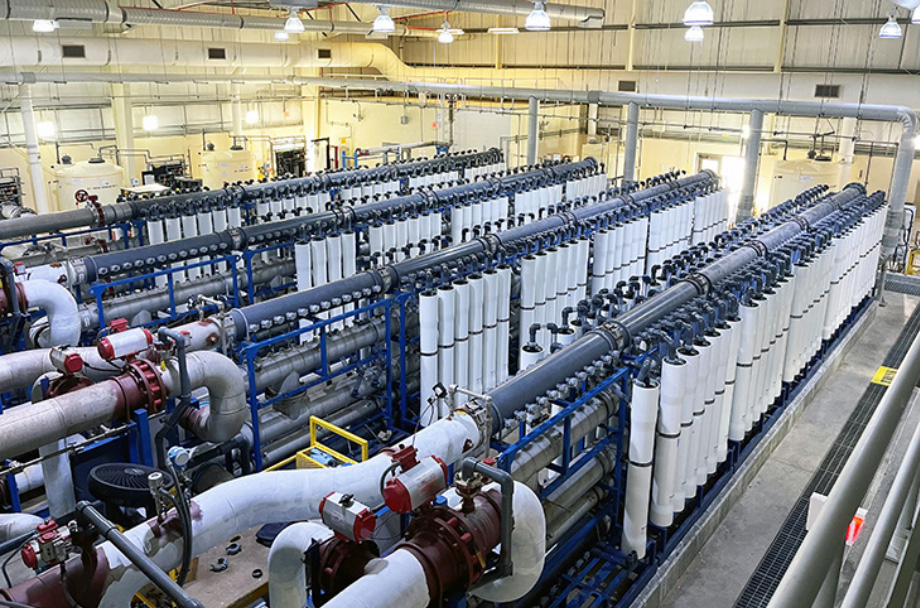
Silicon carbide ceramic membrane technology offers multiple advantages:
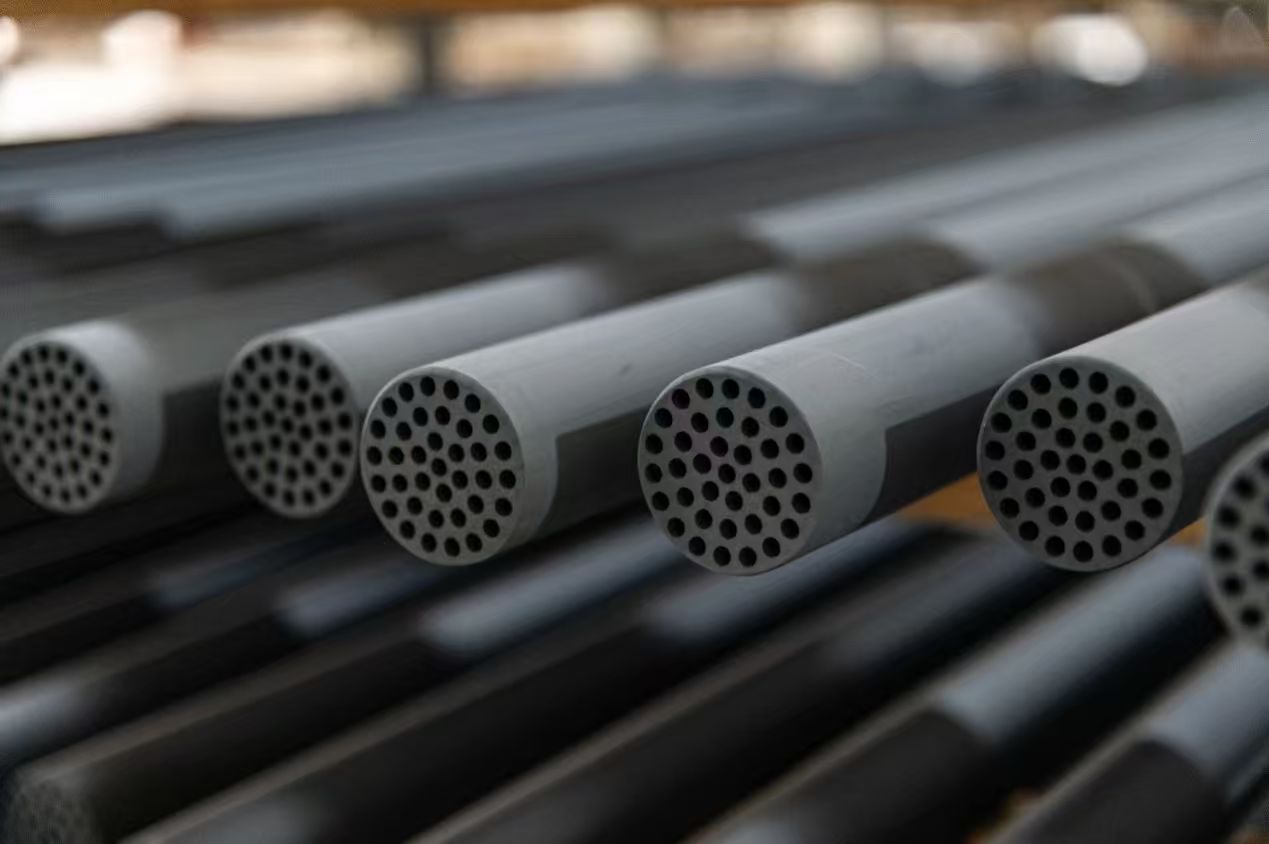
① Silicon carbide ceramic membranes possess nanoscale precision separation capabilities, efficiently trapping activated carbon particles and related microcolloids adsorbed with PFOA/PFOS, ensuring PFAS removal rates and effluent stability in drinking water;
② Silicon carbide ceramic membranes pose no risk of microplastic contamination, coating peeling, or microbial contamination, preventing secondary pollution of drinking water and safeguarding its safety;
③ Silicon carbide ceramic membranes employ a wide-channel and cross-flow filtration design, exhibiting strong anti-fouling capabilities, resistance to clogging, and long cleaning cycles, significantly reducing operation and maintenance costs;
④ Silicon carbide ceramic membranes have a lifespan of up to 20 years, reducing equipment replacement frequency and ensuring long-term compliance for water supply units.
Summary
Today, global PFAS control has become an irreversible trend. JMFILTEC's synergistic solution of silicon carbide ceramic membrane technology and activated carbon powder technology effectively removes PFAS from drinking water and has been successfully implemented in the international market, meeting the long-term stable operation needs of the water supply industry. In the future, with the continuous promotion and application of the technology, this solution will help more water supply units to cope with management challenges, build a solid drinking water safety defense line in the global wave of PFAS governance, and contribute to the development of residents' drinking water safety and environmental protection!