

13396532368





Ceramic membranes have emerged as a critical technology in industrial separation and treatment processes, with the global market experiencing robust growth in 2025. The market is valued at approximately USD 8–12 billion in 2025 and is projected to expand significantly over the coming decade, driven by increasing demand for water treatment, wastewater management, and gas separation applications. These durable, long-lasting materials are becoming the preferred choice for industries seeking sustainable and efficient separation solutions.
Key Findings
-
The ceramic membranes market is expected to grow at a compound annual growth rate (CAGR) of 9.5–11% through the early 2030s, reflecting strong market momentum and increasing industrial adoption.
-
Primary applications include water and wastewater treatment, gas separation, and catalytic membrane reactors, with ceramic membranes offering superior durability and ease of maintenance compared to polymeric alternatives.
-
Industrial wastewater treatment is a major growth driver, as ceramic membranes provide long operational lifespans and reduced maintenance requirements, making them economically attractive for large-scale operations.
-
The market is being shaped by technological advances in fabrication methods and increasing focus on sustainable separation technologies, with 23+ key companies driving innovation in the sector.
Details
Market Growth & Projections
The ceramic membranes market demonstrates consistent expansion across multiple forecasts. While estimates vary slightly depending on the research source, the consensus indicates the market will reach USD 14–19 billion by 2032–2035. This growth is underpinned by rising investments in water infrastructure, stricter environmental regulations, and the need for efficient industrial separation technologies.
Core Applications in 2025
Water and Wastewater Treatment
Ceramic membranes are increasingly deployed in municipal and industrial wastewater treatment facilities. Their resistance to chemical and thermal stress makes them ideal for demanding environments where polymeric membranes would degrade. The durability advantage translates to lower replacement costs and extended operational lifespans.
In this sections, Ceramic membranes are well performed in drinking water and industrial wastewater treatment over SWRO. The inside-feed ceramic membranes supplier mainy are Metawater and Nanoston, in China, JMcleantec is a main role, while for the outside-feed ceramic Cerafiltec and Cembrane are leading the market, and JMcleantech is also a very strong supplier from China which can also provide inside-feed flat sheet module with 100000m2 manufacture ability anually. The outside-feed called flat sheet module is well accepted in wastewater treatment and MBR and is tring to develped in SWRO, and the inside-feed called tubular module seems to be well performed for drinking water appliation.JMcleantech can do both of them.
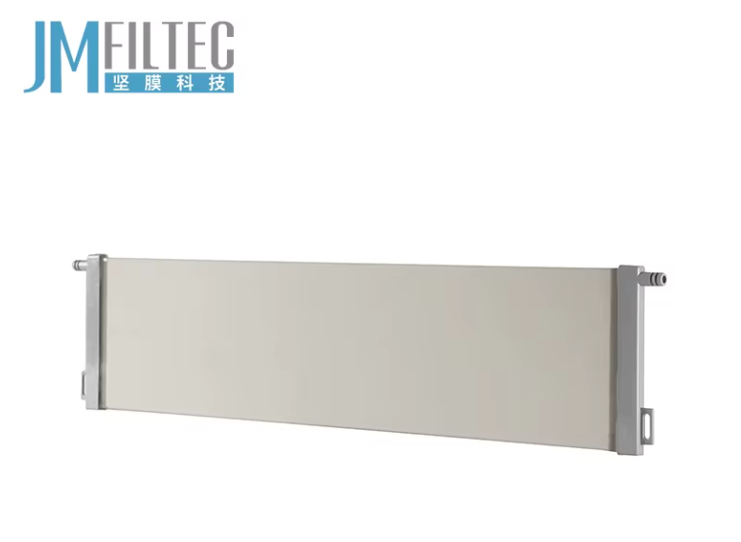
outiside-feed sic ceramic flat sheet plate
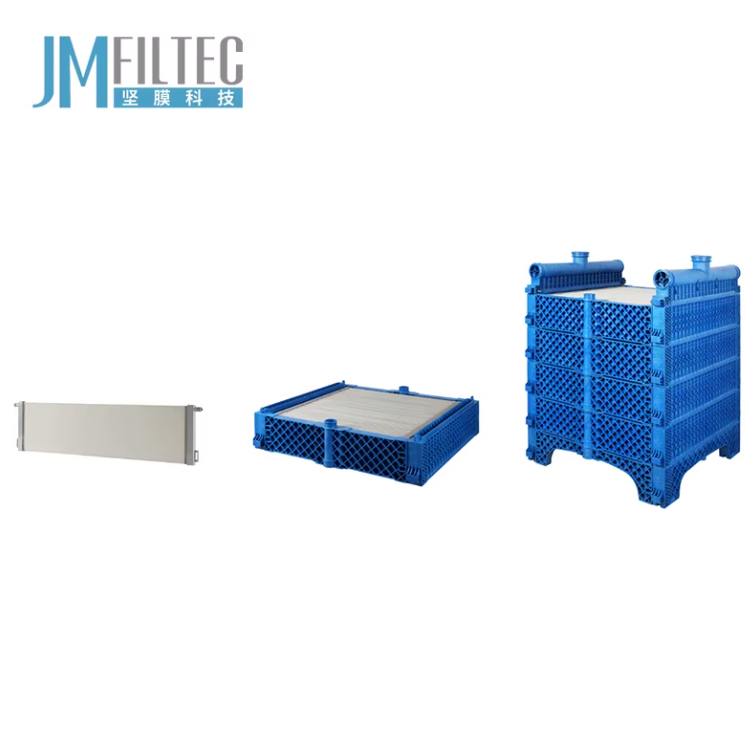
outside-feed sic ceramic flat sheet module
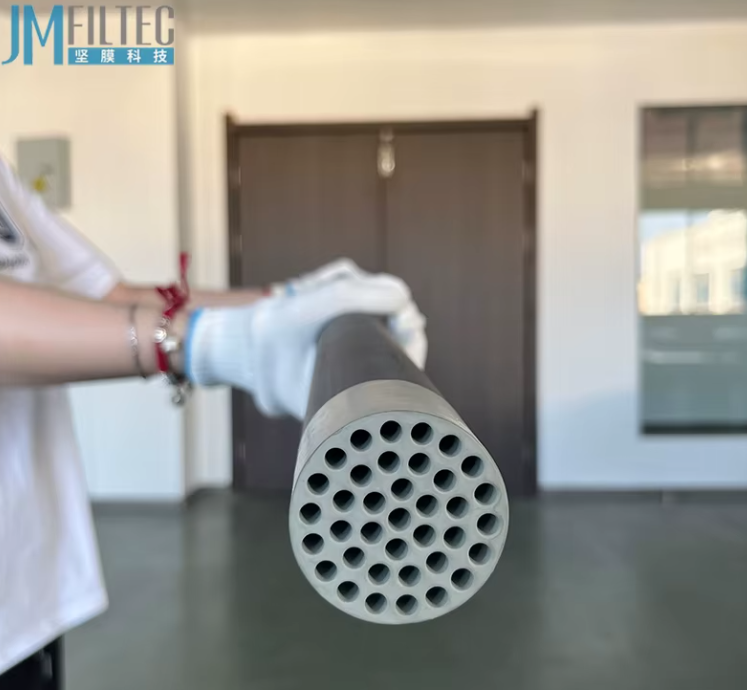
inside-feed sic ceramic tubular membrane
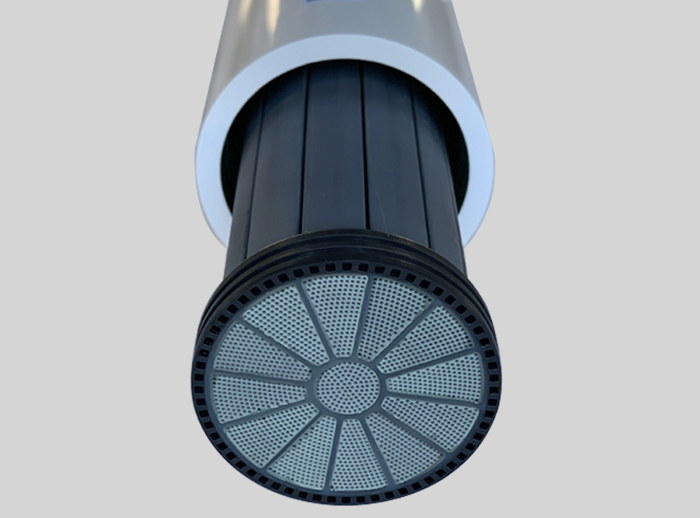
inside-feed sic ceramic tubular module
Gas Separation
Applications in gas separation—including air purification, biogas upgrading, and industrial gas recovery—represent a growing segment. Ceramic membranes' thermal stability enables operation at elevated temperatures, expanding their utility in high-temperature separation processes.
Catalytic Membrane Reactors
Emerging applications combine membrane separation with catalytic reactions, enabling simultaneous treatment and conversion of contaminants in a single unit operation.
Development Trends
Recent advances focus on improving membrane fabrication techniques to enhance permeability, selectivity, and cost-effectiveness. Research efforts are directed at developing new ceramic materials and composite structures that optimize performance while reducing manufacturing costs. The integration of ceramic membranes with digital monitoring and automated cleaning systems is also gaining traction, improving operational efficiency and predictive maintenance capabilities.
Sustainability & Market Drivers
Environmental regulations and water scarcity concerns are primary market drivers. Ceramic membranes' ability to achieve high separation efficiency with minimal chemical additives aligns with global sustainability goals. Industries are increasingly prioritizing long-lifecycle, low-maintenance solutions, positioning ceramic membranes as a preferred technology over single-use or frequently replaced alternatives.
Practical Takeaway
- For water utilities: Consider ceramic ultrafiltration systems for reliable, long-term wastewater treatment with reduced operational costs.
- For industrial operators: Evaluate ceramic membrane technology for high-temperature or chemically aggressive applications where traditional polymeric membranes fall short.
- For investors: The 9.5–11% CAGR growth trajectory suggests strong market opportunity, particularly in emerging markets with expanding water treatment infrastructure needs.
- For technology developers: Focus on cost reduction in fabrication and integration of smart monitoring systems to capture market share in the rapidly expanding sector.
This article synthesizes market data and technical insights from leading industry research reports and peer-reviewed publications as of March 2026.