

13396532368






Introduction
Recently, three national departments jointly issued the " Action Plan for the Development of the Seawater Desalination Industry," which clearly states that by 2030, the total scale of seawater desalination in China will exceed 4.5 million tons/day, with an additional 1.5 million tons/day of capacity added in the next five years. Urban water supply, island livelihood, and coastal industry will all see simultaneous and comprehensive expansion, officially launching a market worth tens of billions of yuan. The plan emphasizes accelerating the research and development of high-performance new separation membranes, promoting green and low-carbon pretreatment processes, and increasing the domestic substitution rate of key materials, releasing a clear policy signal for the implementation of inorganic ceramic membrane technology. Based on more than ten years of research and development experience with silicon carbide membranes, Jianmo Technology's silicon carbide ceramic ultrafiltration membrane short-process pretreatment technology has been operating stably in coastal seawater desalination projects for many years. Real-world case studies demonstrate the core strength of domestically produced silicon carbide membranes in adapting to all seawater desalination scenarios. Today, combining policy guidance and implemented projects, we will interpret how silicon carbide membranes solve the pain points of traditional seawater pretreatment.
I. With the implementation of national top-level planning, seawater desalination is entering a period of comprehensive expansion.
The "Action Plan for the Development of the Seawater Desalination Industry" outlines seven core actions to comprehensively unlock the industry's growth potential:
1. Urban water supply expansion: Large-scale desalination projects for both normal and emergency use will be built in coastal megacities and super-large cities to cope with saltwater intrusion and extreme water shortages. The desalinated water will be incorporated into the unified municipal water resource allocation, adding 1.3 million tons/day of urban production capacity.
2. Full coverage of offshore islands: Key islands are equipped with desalination facilities with a capacity of 1,000 tons, and domestically produced desalination devices are installed on ocean-going fishing vessels and offshore platforms, continuously releasing the rigid demand for water supply to remote islands;
3. Mandatory promotion of industrial water use: Coastal petrochemical, thermal power, nuclear power and other high water-consuming industrial parks should give priority to the use of desalinated seawater, strictly control the issuance of new water withdrawal permits, and the demand for commercial industrial desalination is the strongest.
4. Domestic production of membrane materials is listed as a core task: The policy specifically calls for breakthroughs in high-performance ultrafiltration, nanofiltration, and new separation membranes, improving core indicators such as anti-fouling, long life, and high throughput, and accelerating the substitution of imported membranes with domestic ones; at the same time, it encourages the implementation of green pretreatment processes, concentrated brine resource utilization, and clean energy coupled desalination projects, and eliminates outdated treatment equipment with high chemical consumption and long processes.
Industry estimates suggest that adding just 1.5 million tons/day of desalination capacity would require an engineering investment of 22.5-37.5 billion yuan. As the core pretreatment unit of the RO system, pretreatment is experiencing a surge in market demand, and new membrane materials that are resistant to high salt, impact, and low maintenance are entering a golden window of opportunity.
II. Traditional seawater pretreatment methods highlight their limitations, while silicon carbide ceramic membrane short-process solutions offer targeted solutions.
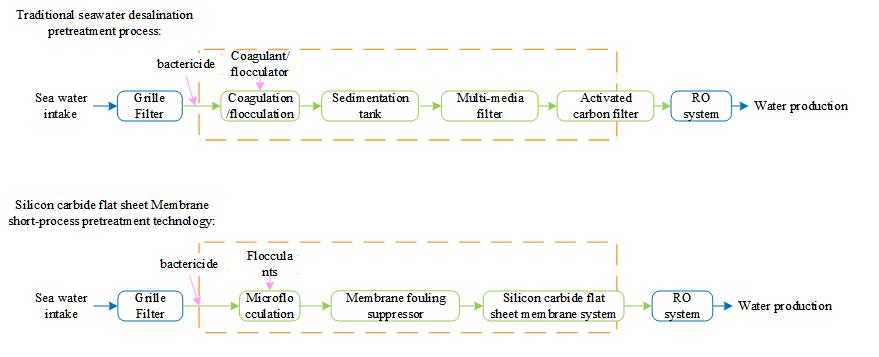
Two core challenges of traditional craftsmanship:
● The multi-stage coagulation sedimentation+sand filtration process is lengthy, requires a large area, involves high chemical dosage, produces a lot of sludge, and the effluent is prone to exceed the standard during red tide and tidal high turbidity periods, damaging the downstream RO membrane.
● PVDF organic membranes are not resistant to high salt content and strong oxidative cleaning in seawater, and need to be completely replaced every 1-3 years, resulting in high long-term maintenance costs.
Advantages of using JMFILTEC silicon carbide ceramic membrane:
● It is resistant to high salt and strong acid and alkali, and can be repeatedly deep cleaned with chemicals without swelling or damage; it is natively hydrophilic with high throughput, resists irreversible algal colloidal pollution, and significantly extends the cleaning cycle;
● The integrated sintering process results in high mechanical strength, is unaffected by fluctuations in the quality of the incoming water, ensures stable water production, and provides long-term protection.
● The short process eliminates multiple filtration stages, reduces the footprint by 60%, has a high degree of automation, and significantly reduces pharmaceutical consumption and solid waste output.
● service life, 3-5 times that of organic membranes, and lower overall cost.
III. Long-term on-site project operation verification to confirm the maturity and reliability of silicon carbide membranes.
👉Review of previous projects: [ Jianmo Technology Achieves Another Success in Flat-Sheet Membrane Short-Process Seawater Desalination Pretreatment! ]
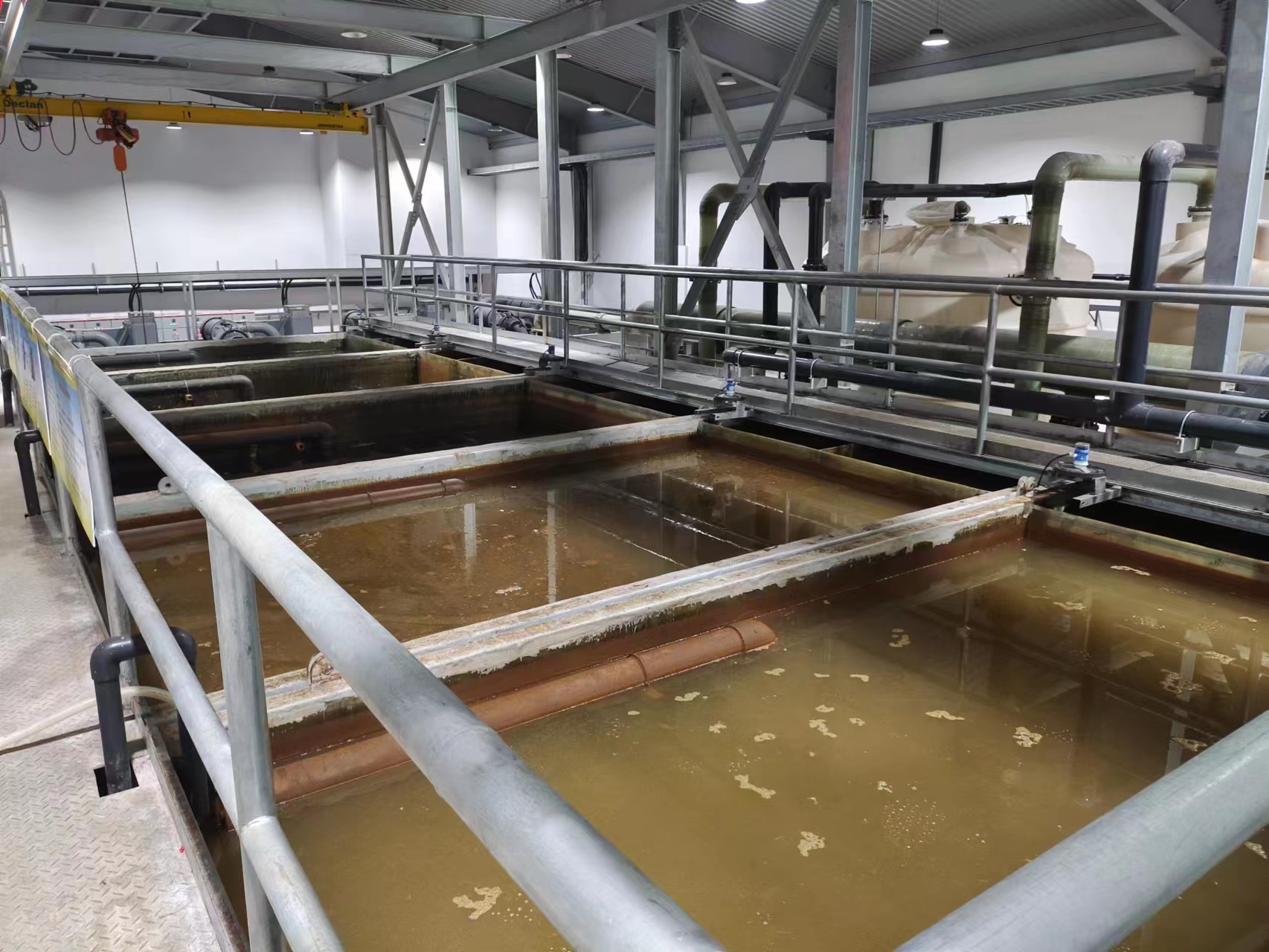
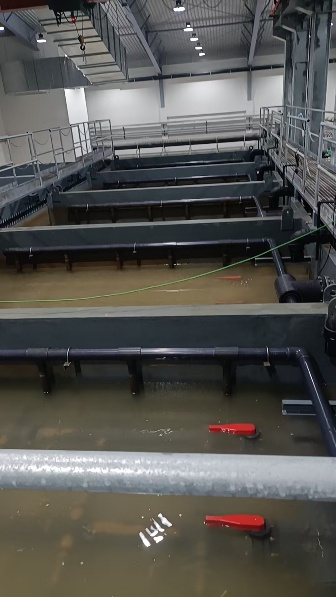
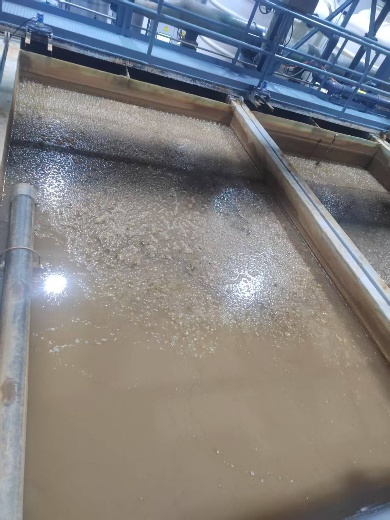
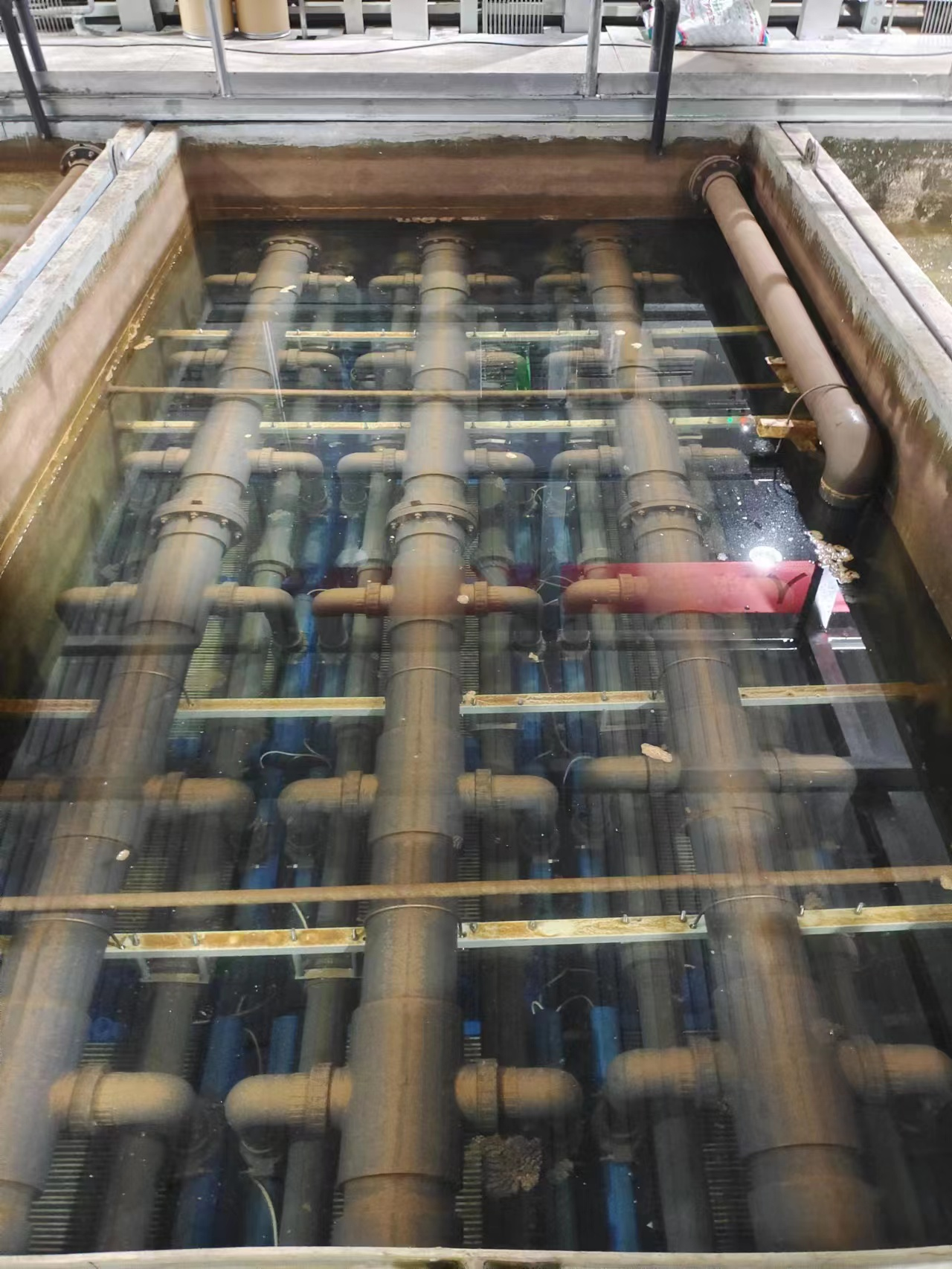
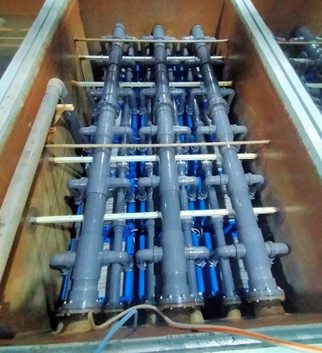
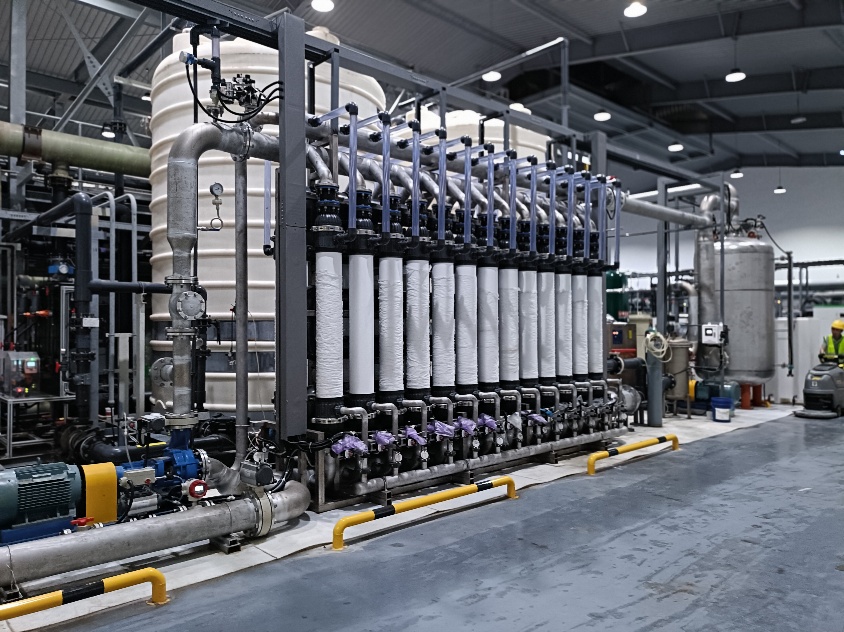
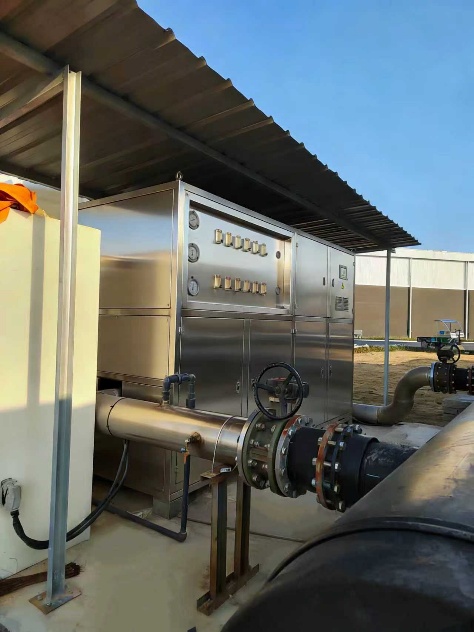
The seawater desalination project for aquaculture along the Zhejiang coast uses nearshore tidal seawater as raw water. Affected by seasons and tides, the turbidity, algae, and colloid content of the water fluctuate greatly. The entire pretreatment system adopts a short-process silicon carbide flat-sheet membrane technology and is constructed and put into operation in two phases.
The first phase of the project has been running stably for four years without any issues such as membrane cracking or permanent flux decline. The second phase expansion project was put into operation simultaneously, continuously and stably producing pretreated water that meets the RO feed water standards.
The project has brought about tangible improvements: the amount of reagents added has been significantly reduced, and the cost of sludge disposal has been lowered; the frequency of cleaning the reverse osmosis membrane has been halved, extending the service life of the reverse osmosis membrane; the annual maintenance expenses of the entire system have been significantly reduced; the reliability of silicon carbide membranes under highly fluctuating nearshore water quality has been fully verified; and the process solution can be directly replicated and promoted.
On-site photos
Conclusion
The large-scale, domestically produced, and green development of seawater desalination has become an irreversible trend in the industry. The performance limitations of traditional long-process technologies and organic ultrafiltration membranes can no longer meet the long-term stable operation requirements of new and upgraded projects. Short-process pretreatment technology with silicon carbide ceramic membranes at its core has become the preferred solution for upgrading, retrofitting, and constructing new seawater desalination projects due to its multiple core advantages, including corrosion resistance, high throughput, long lifespan, and compact footprint.
1. For inquiries regarding process selection for coastal seawater desalination pretreatment projects and short-process solutions using silicon carbide membranes, please send a private message.
2. Industry professionals specializing in process engineering and operation and maintenance are welcome to share their pain points and experiences in seawater pretreatment operation in the comments section, and to learn from each other.
3. Our company is constantly recruiting talent; industry professionals are welcome to inquire and apply.